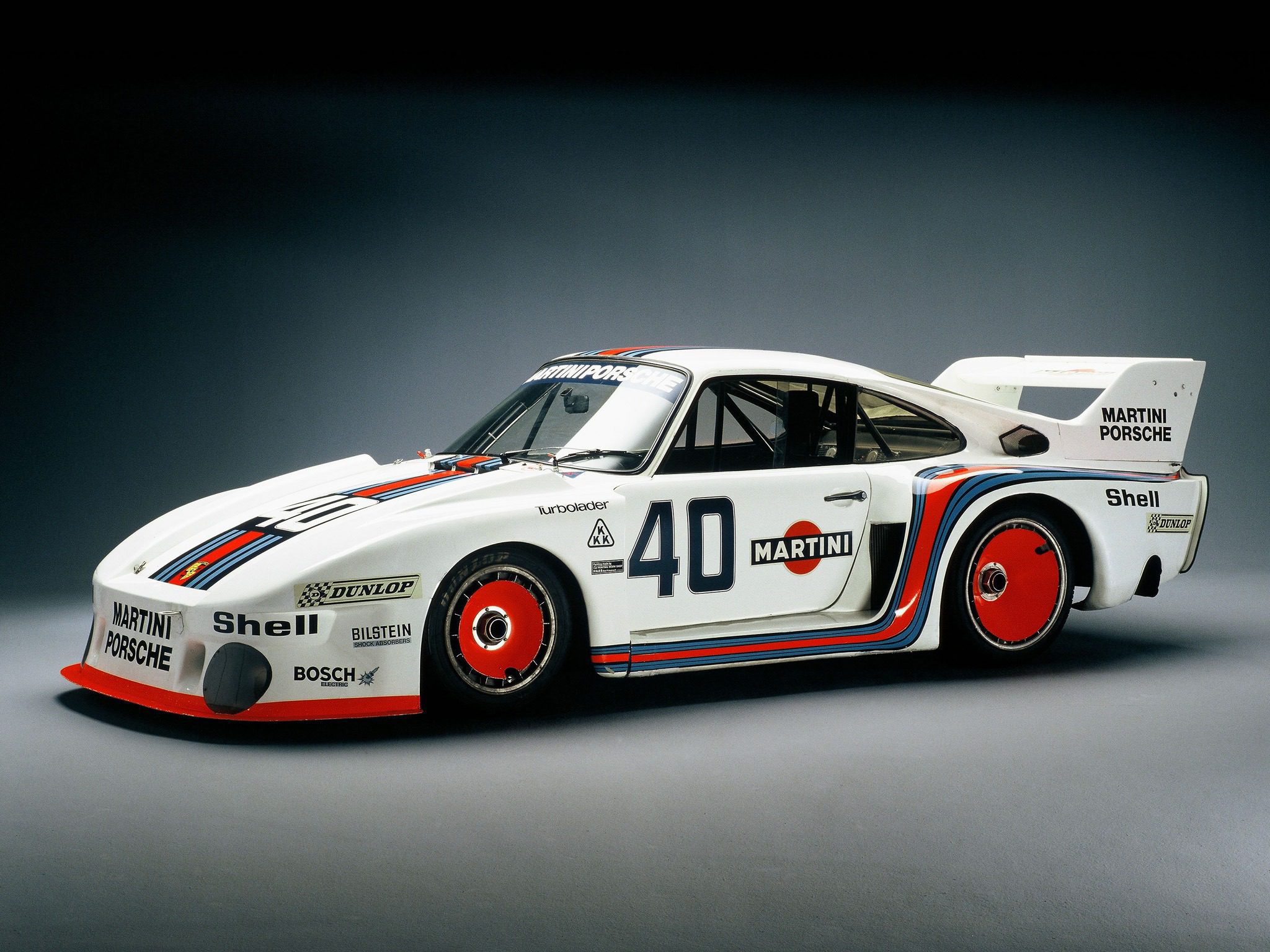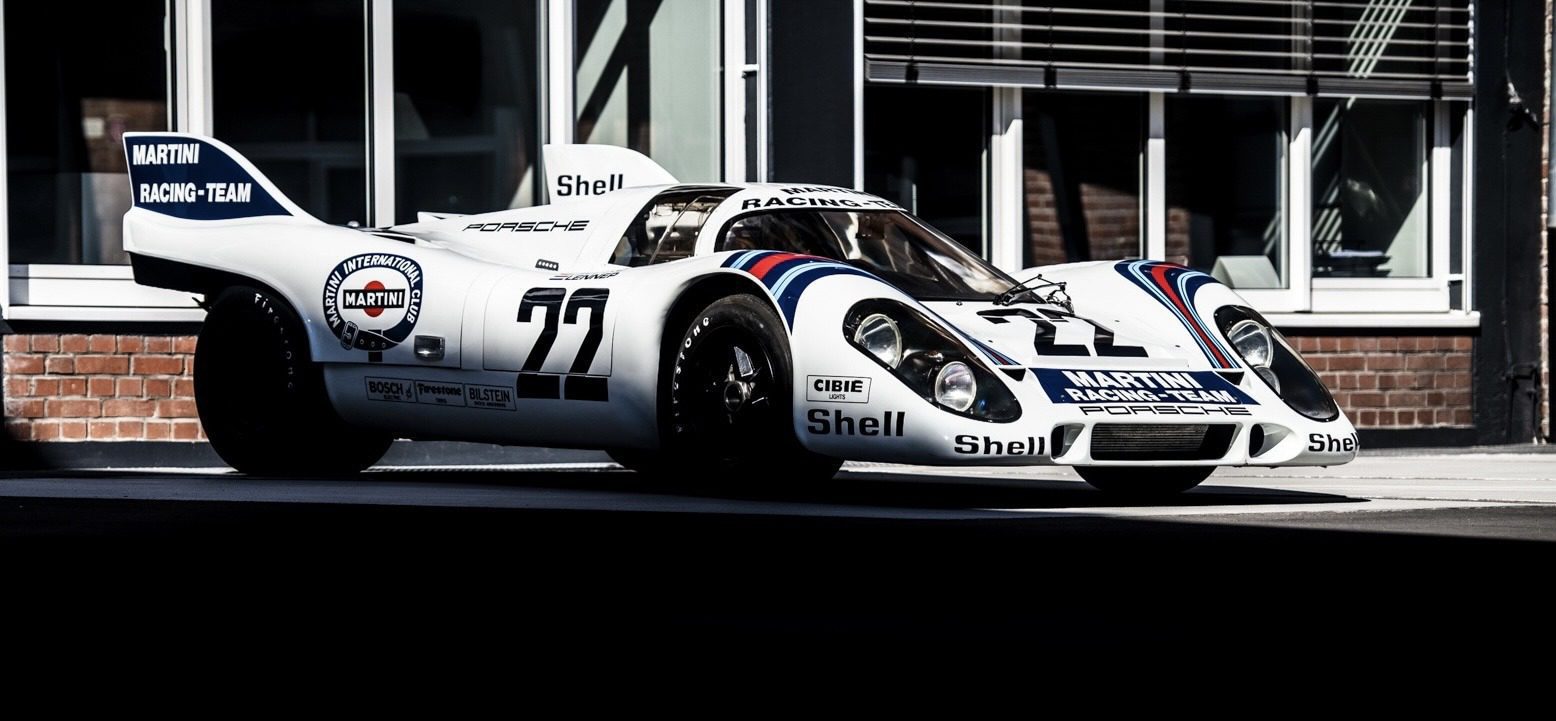
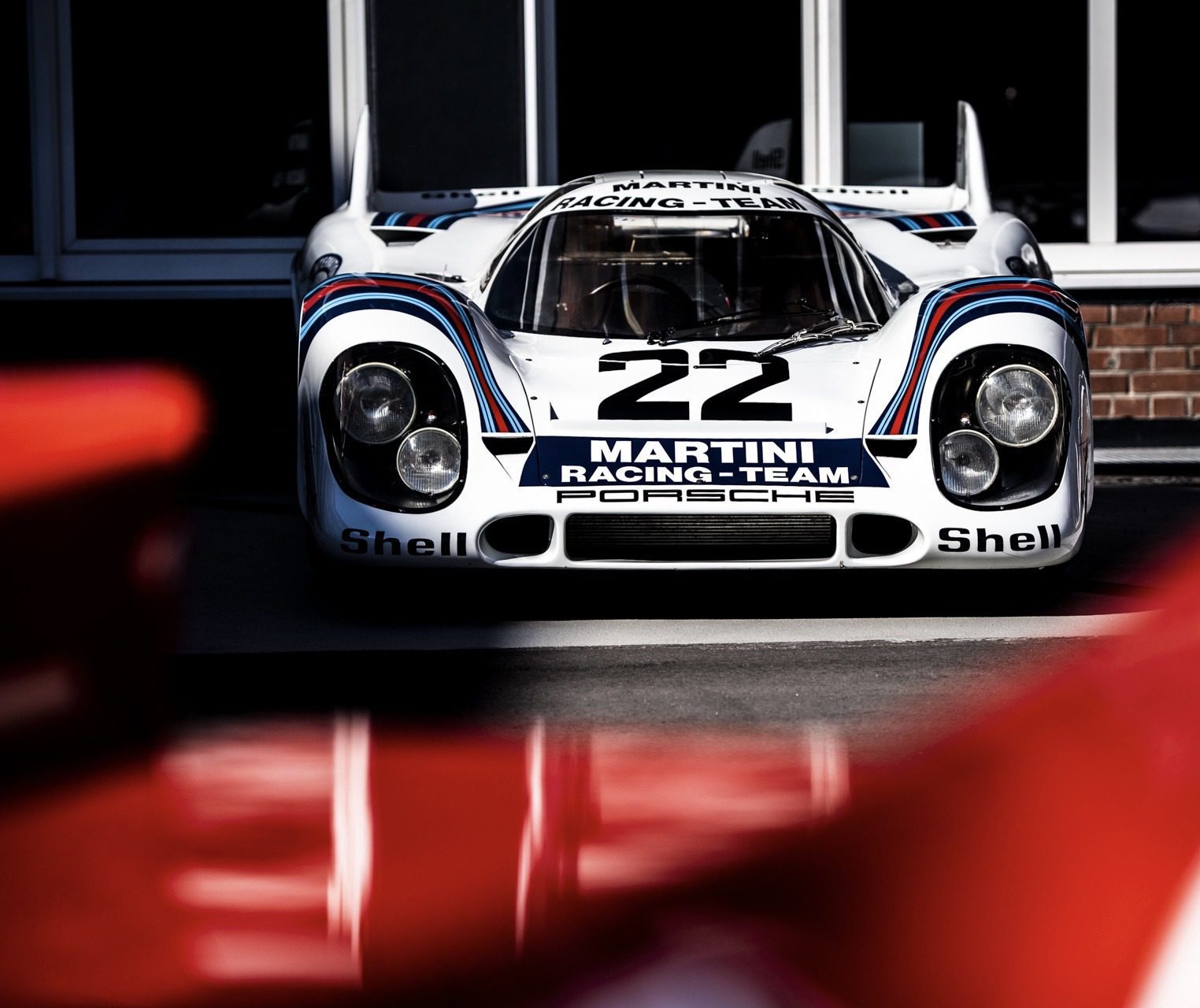
The 1971 24 Hours of Le Mans was the 39th Grand Prix of Endurance, and took place on 12th and 13th of June 1971.
It was the ninth round of the 1971 International Championship for Makes. This year would be the swansong of the mighty engines – the incoming regulations would put a 3-liter limit on engine capacity
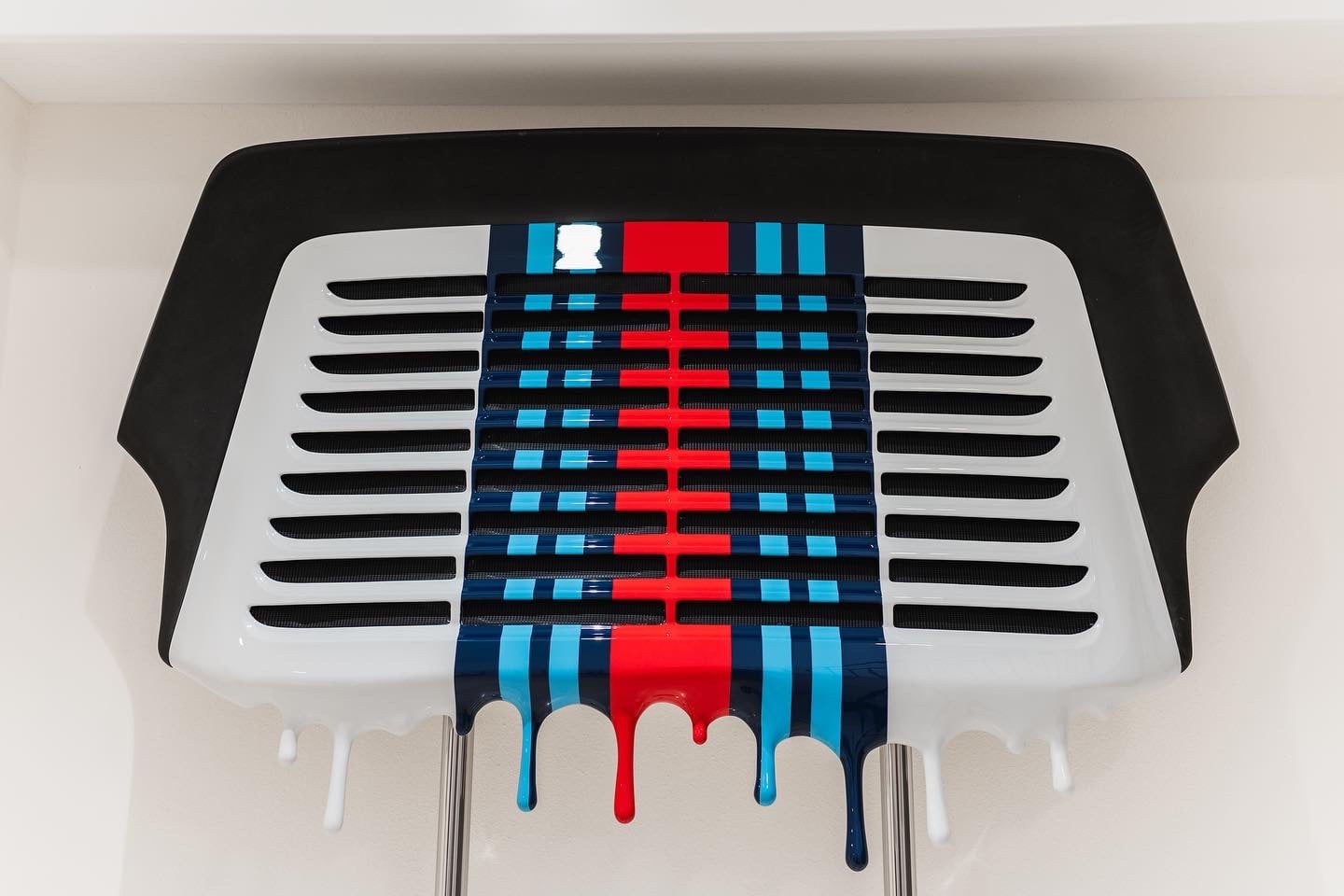
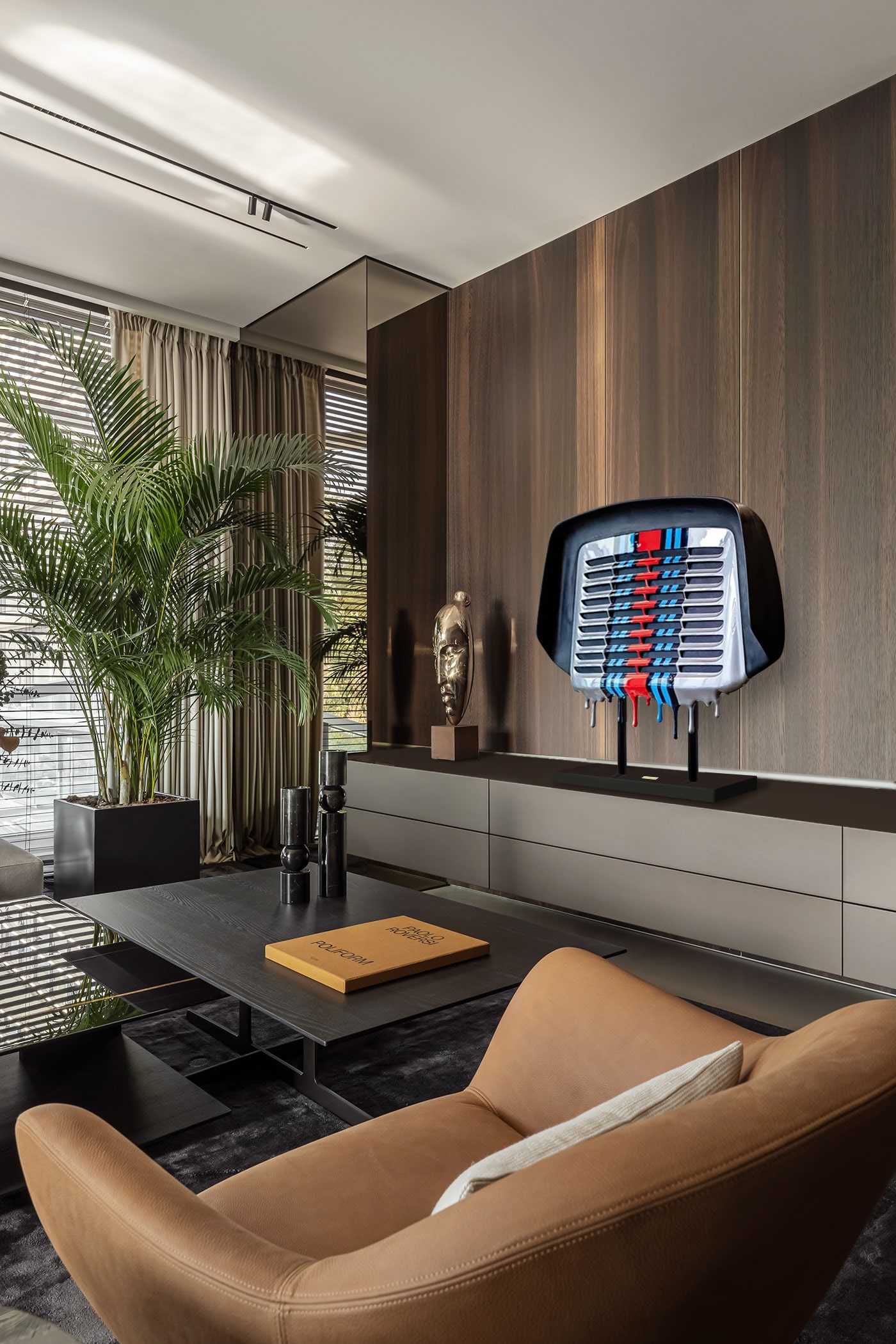
As it turned out, there was a perfect confluence of the most powerful racing cars yet seen, a long fast track and extended good weather to produce the fastest race in the event’s history to date setting a record that would stand for almost 40 years. Although there were few accidents this year, there were many cars delayed or forced to retire with mechanical problems and only twelve cars were classified at the finish. Winners, at a record speed, were Gijs van Lennep and Helmut Marko in their Team Martini Porsche 917.
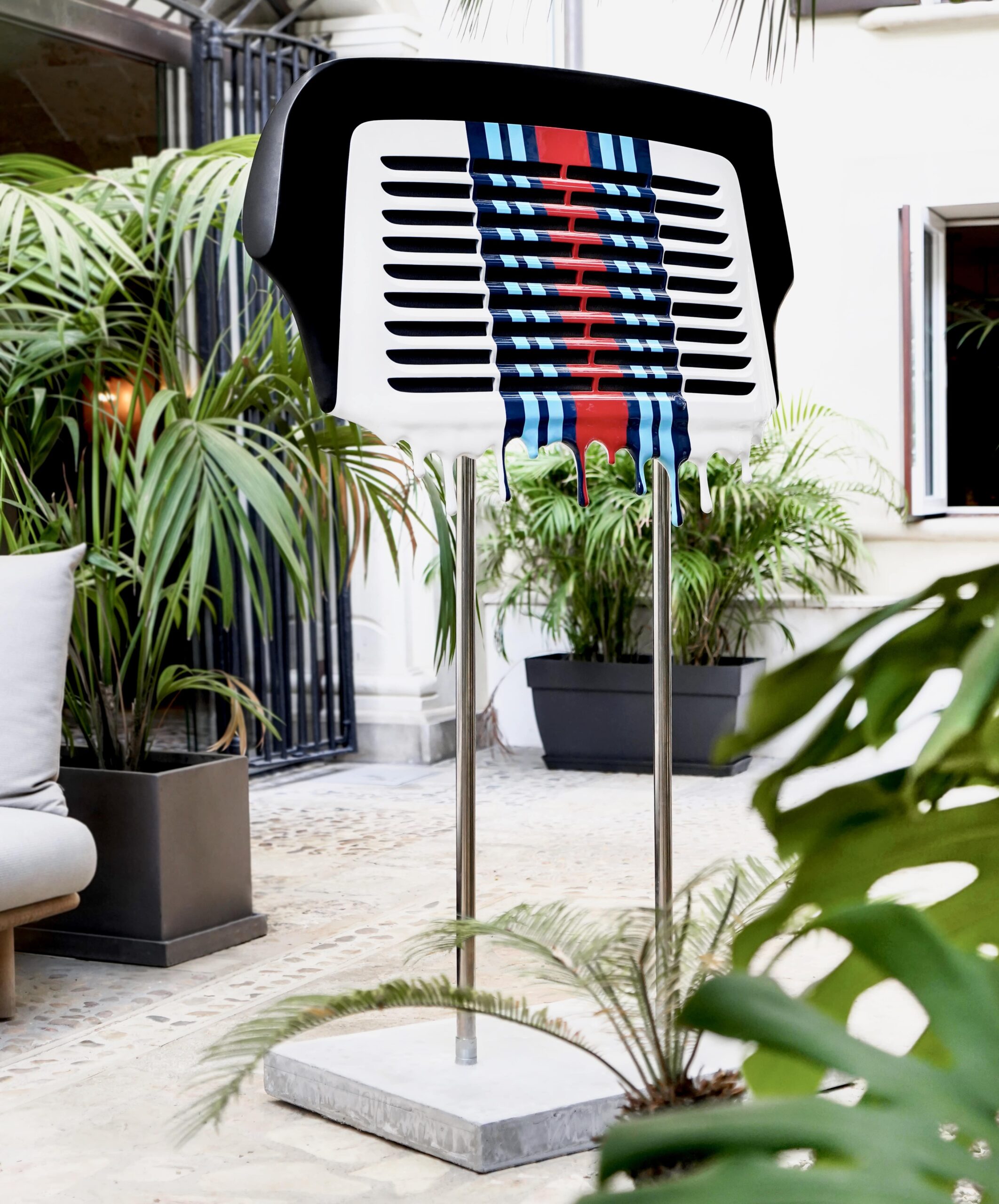
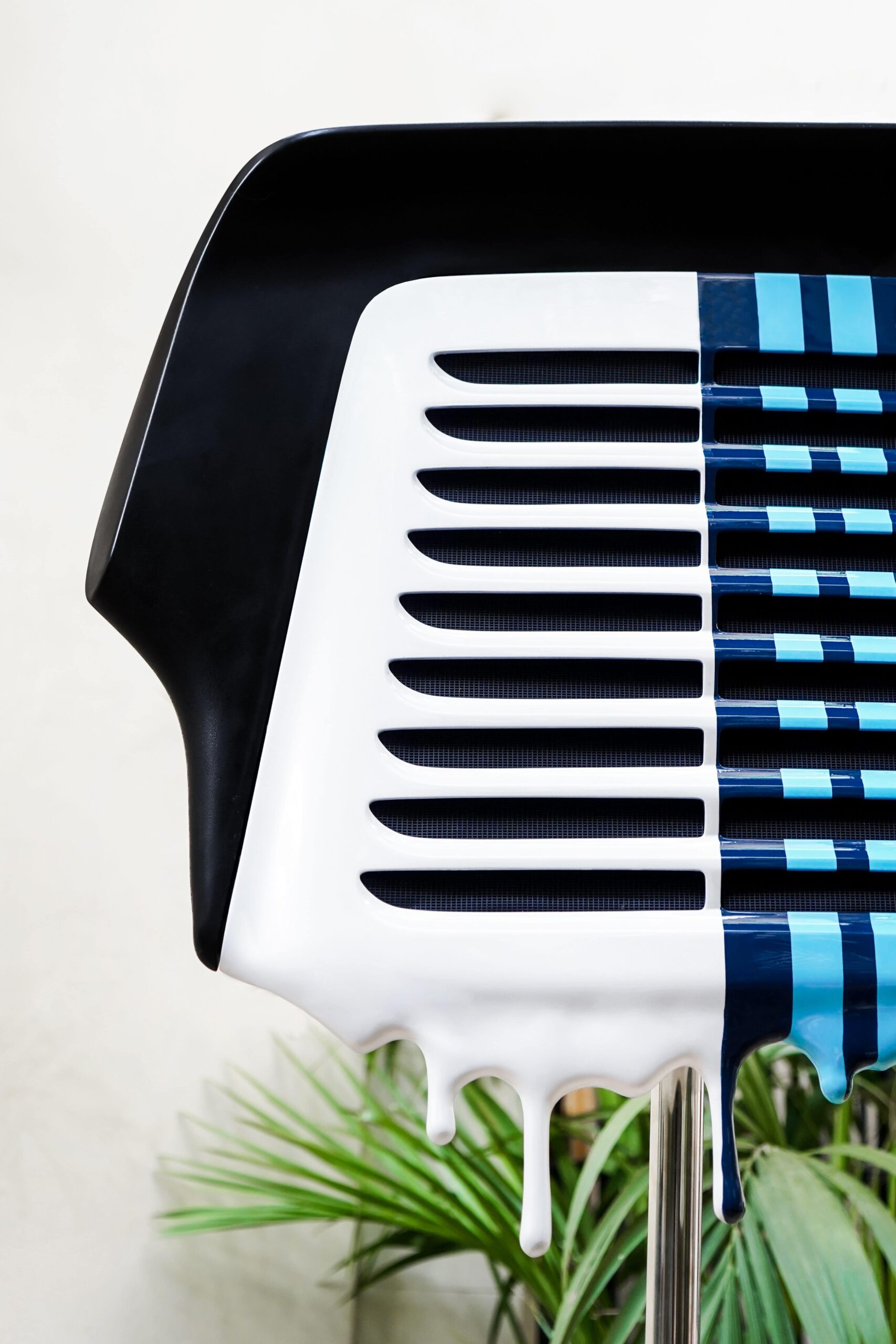
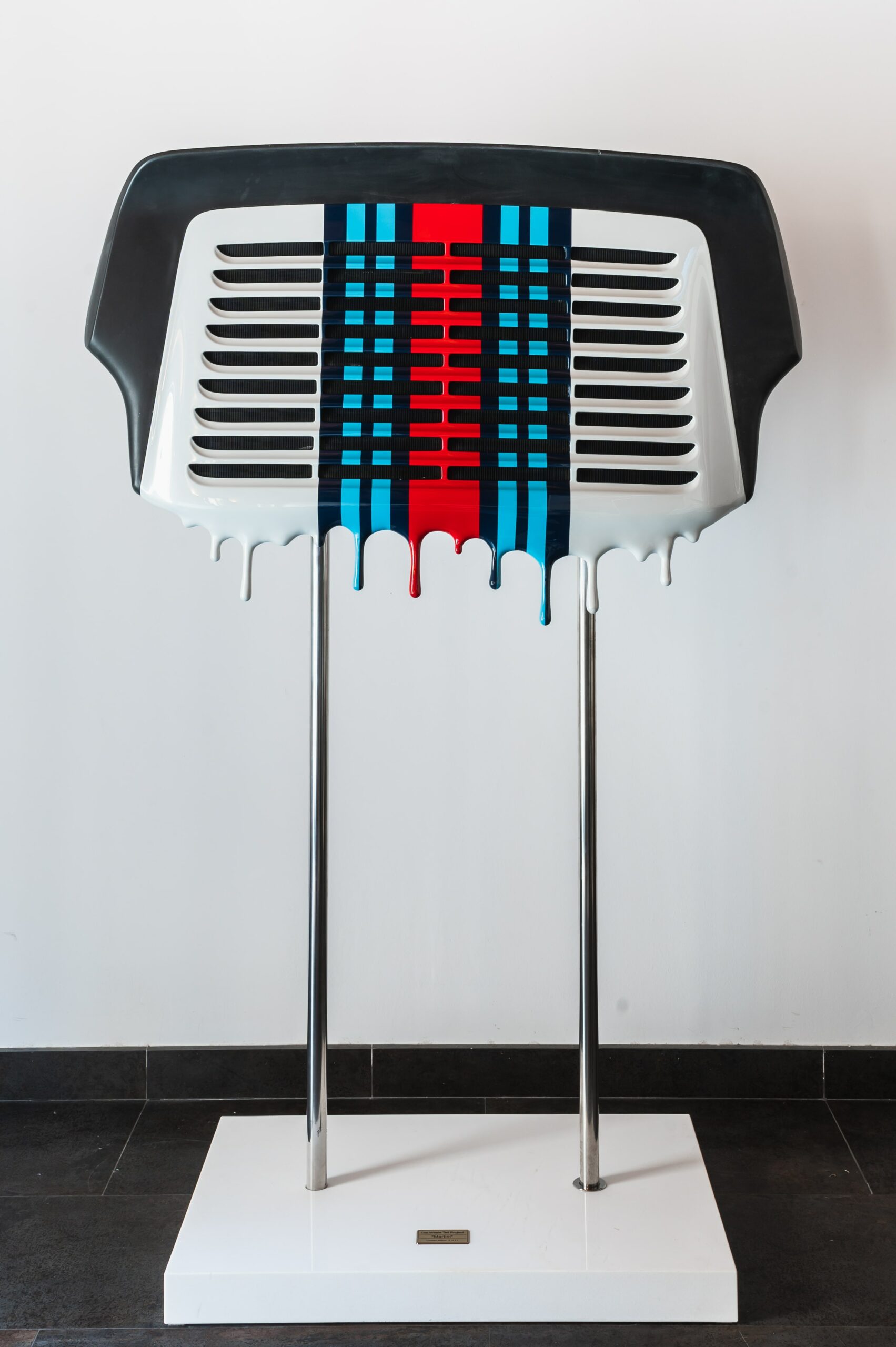
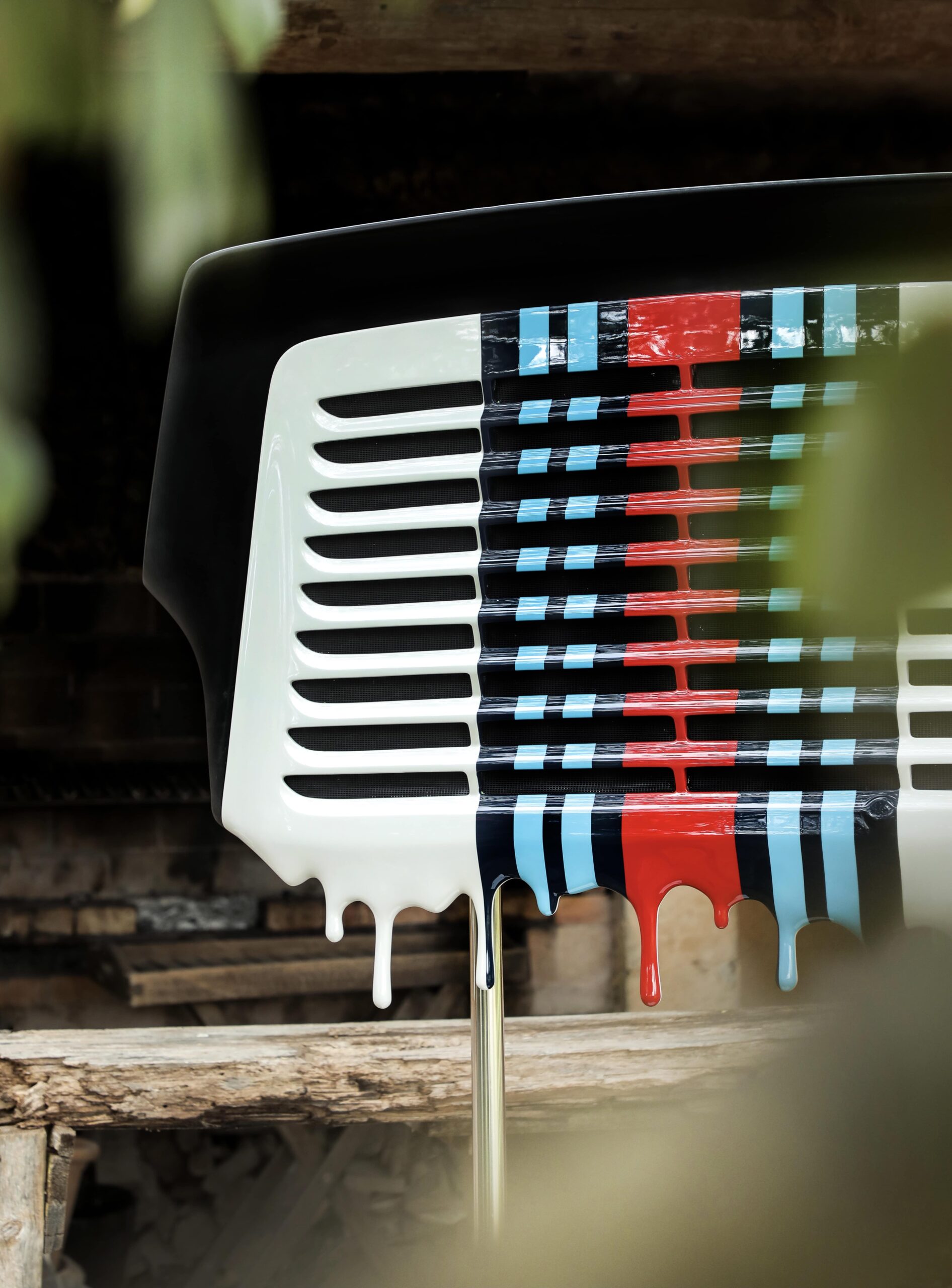
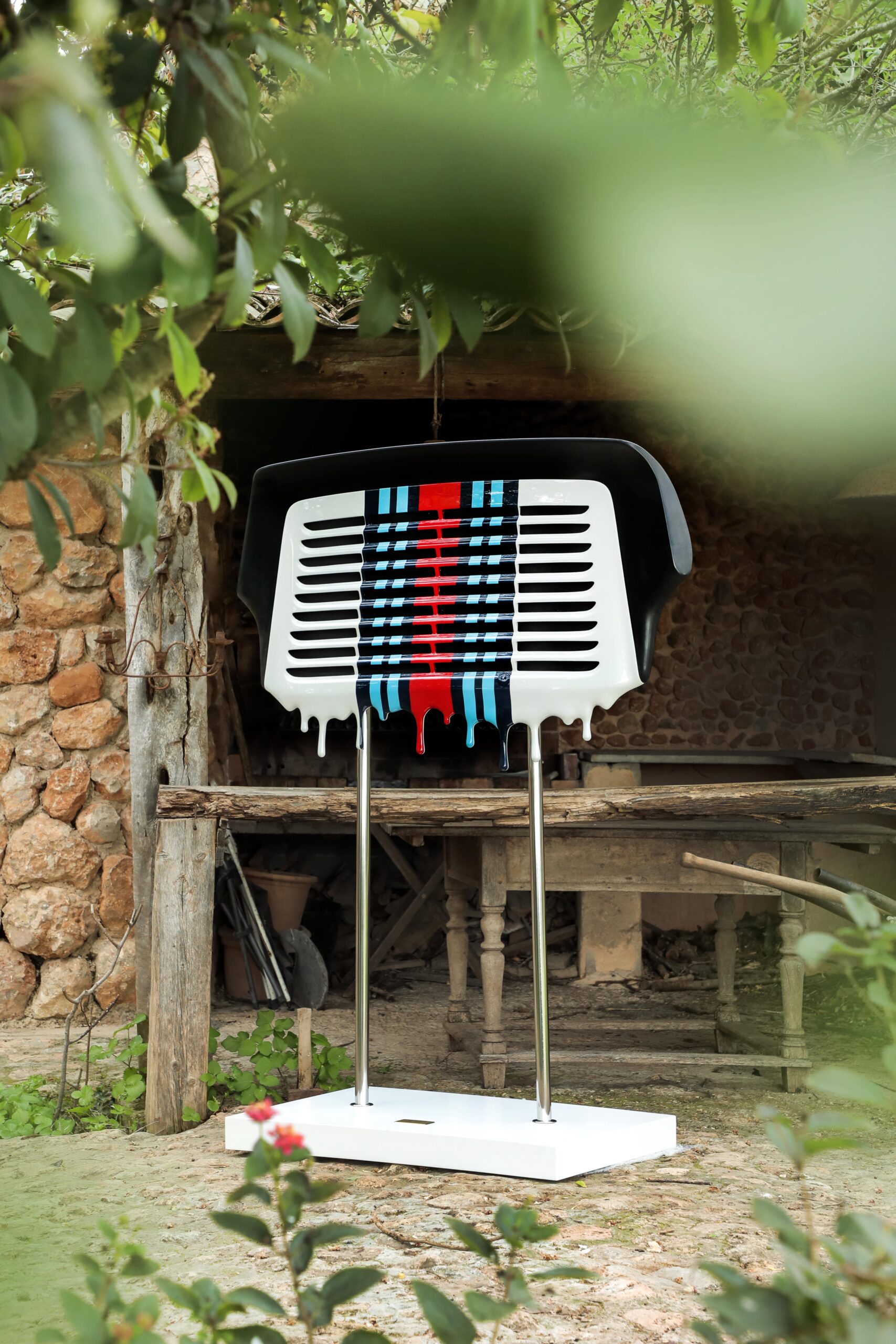
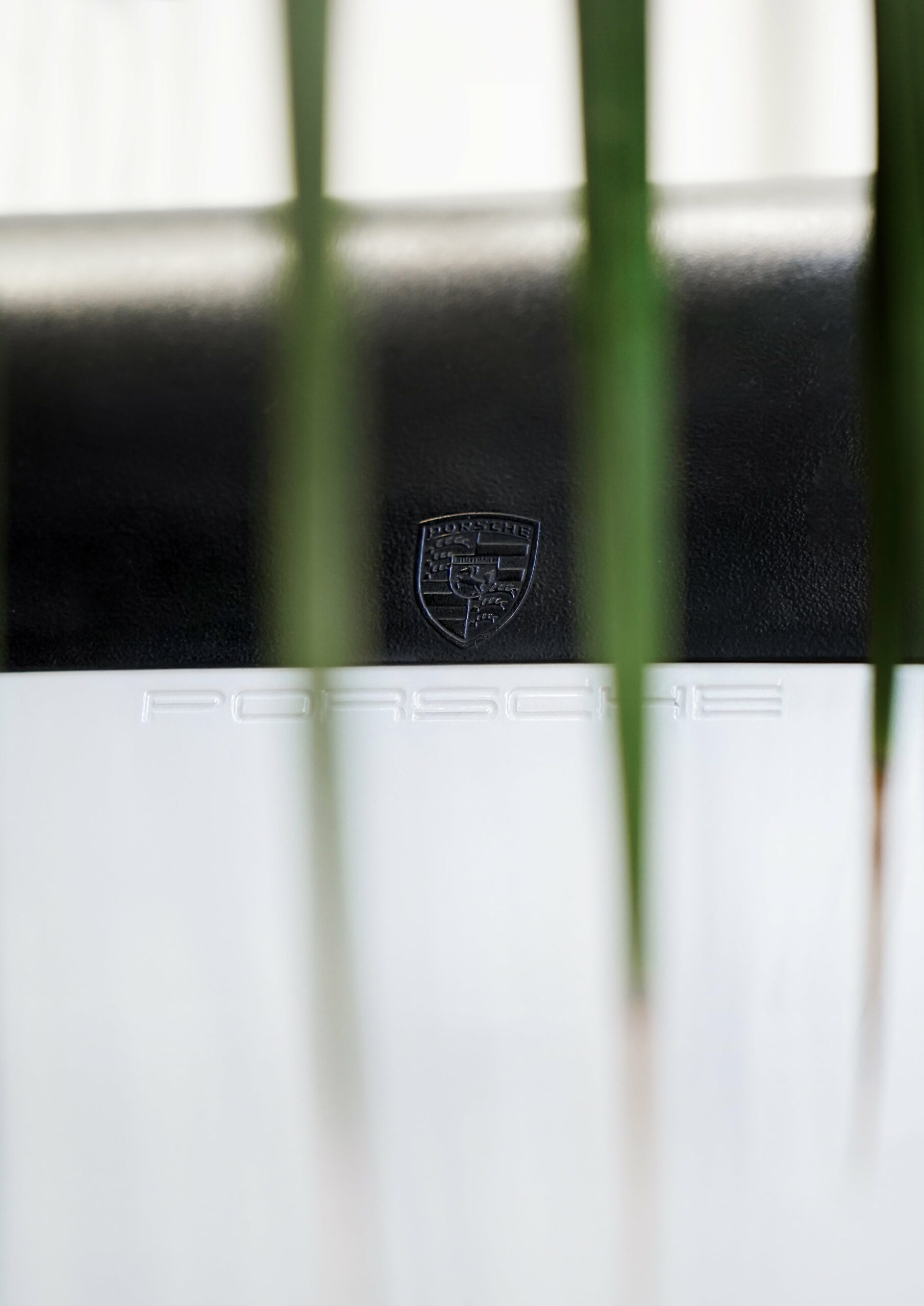
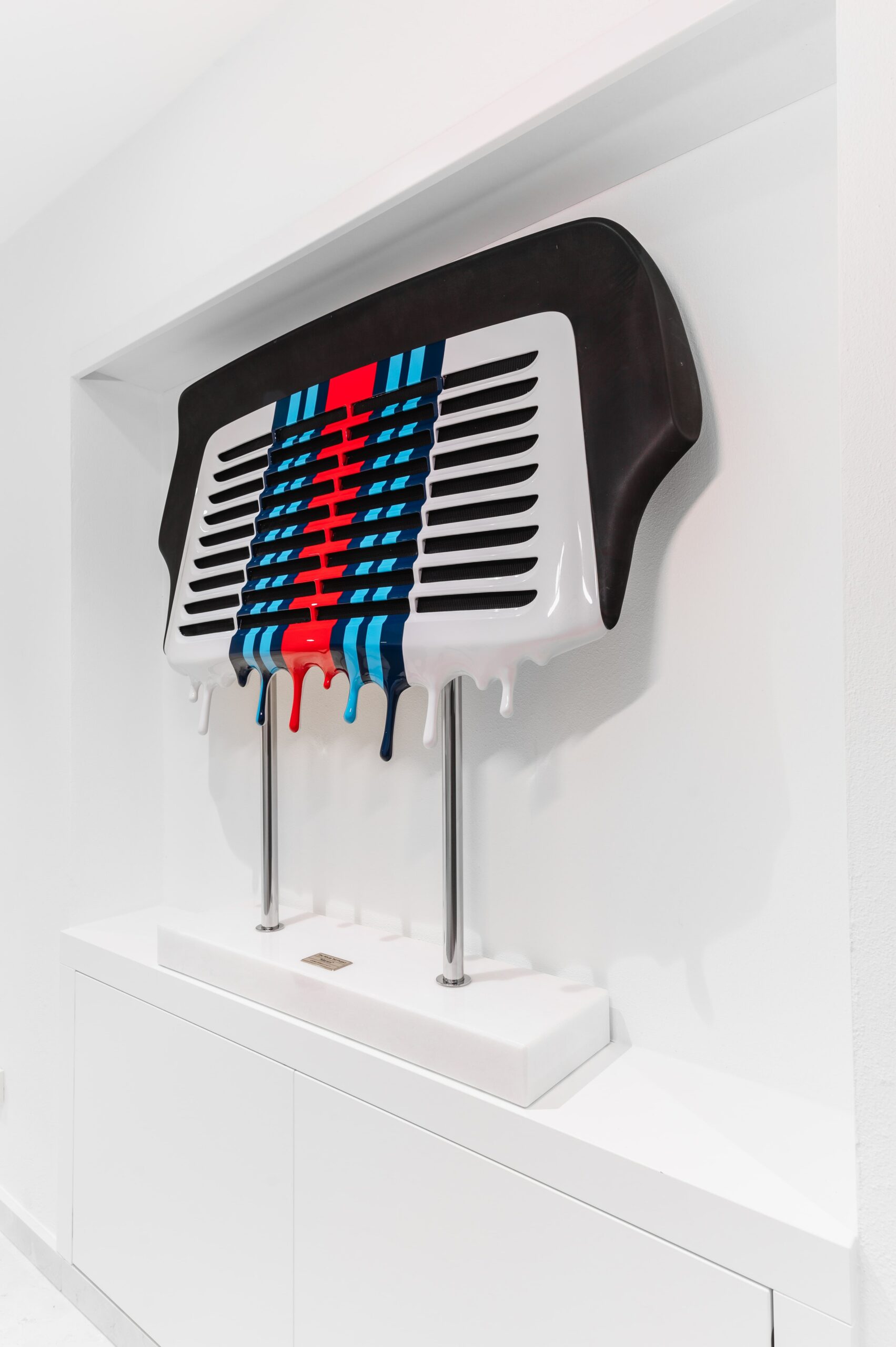
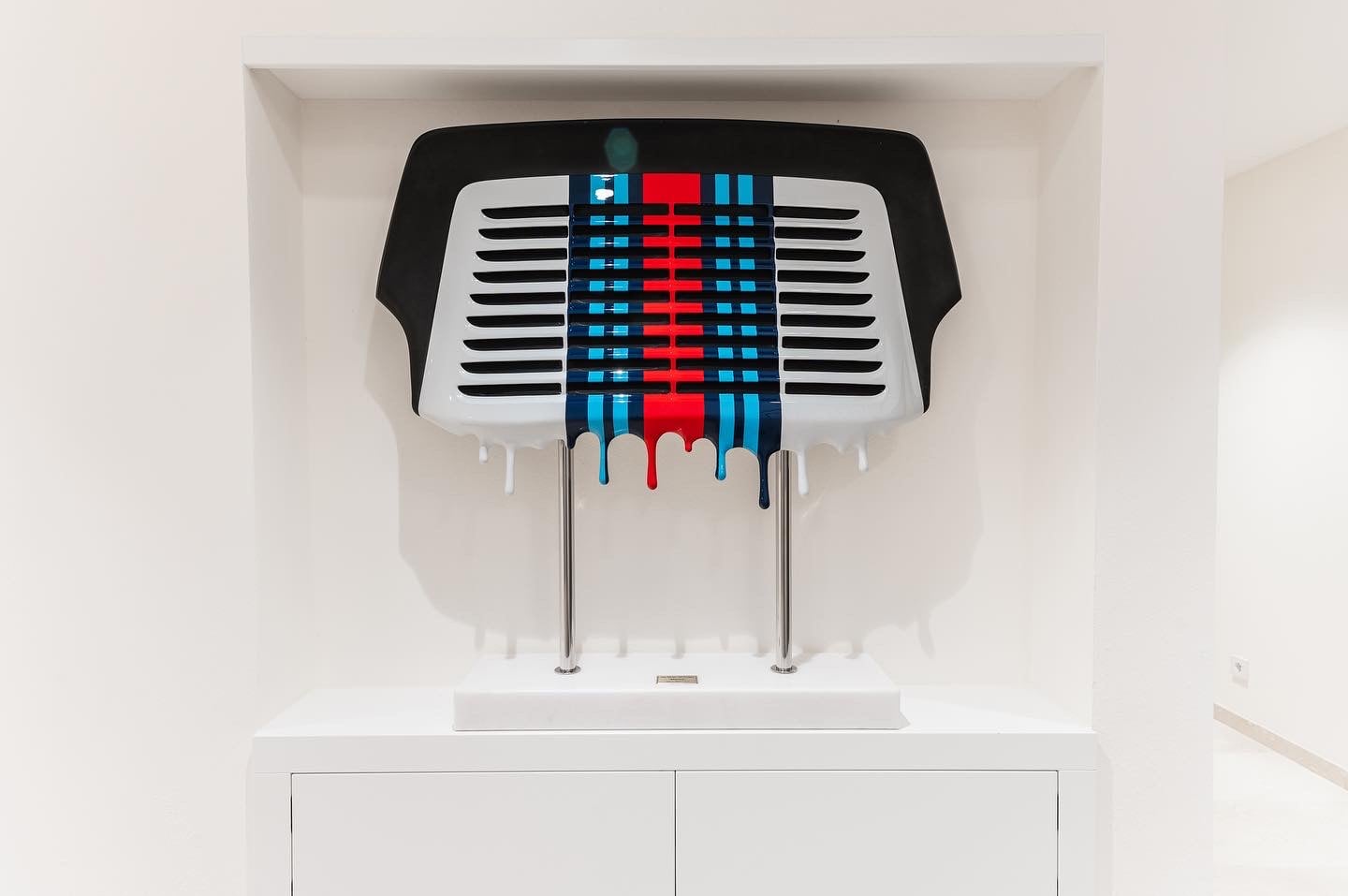
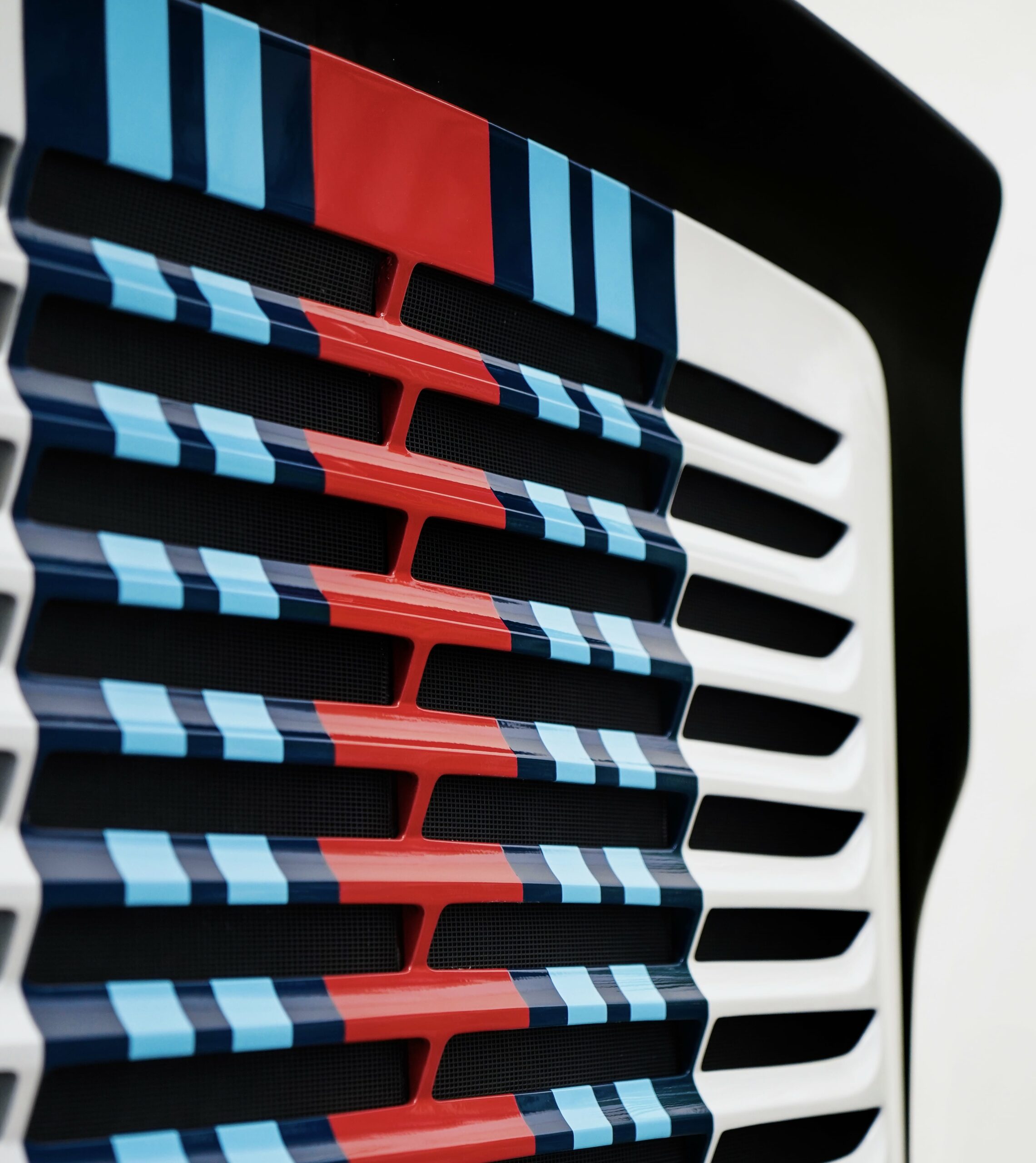
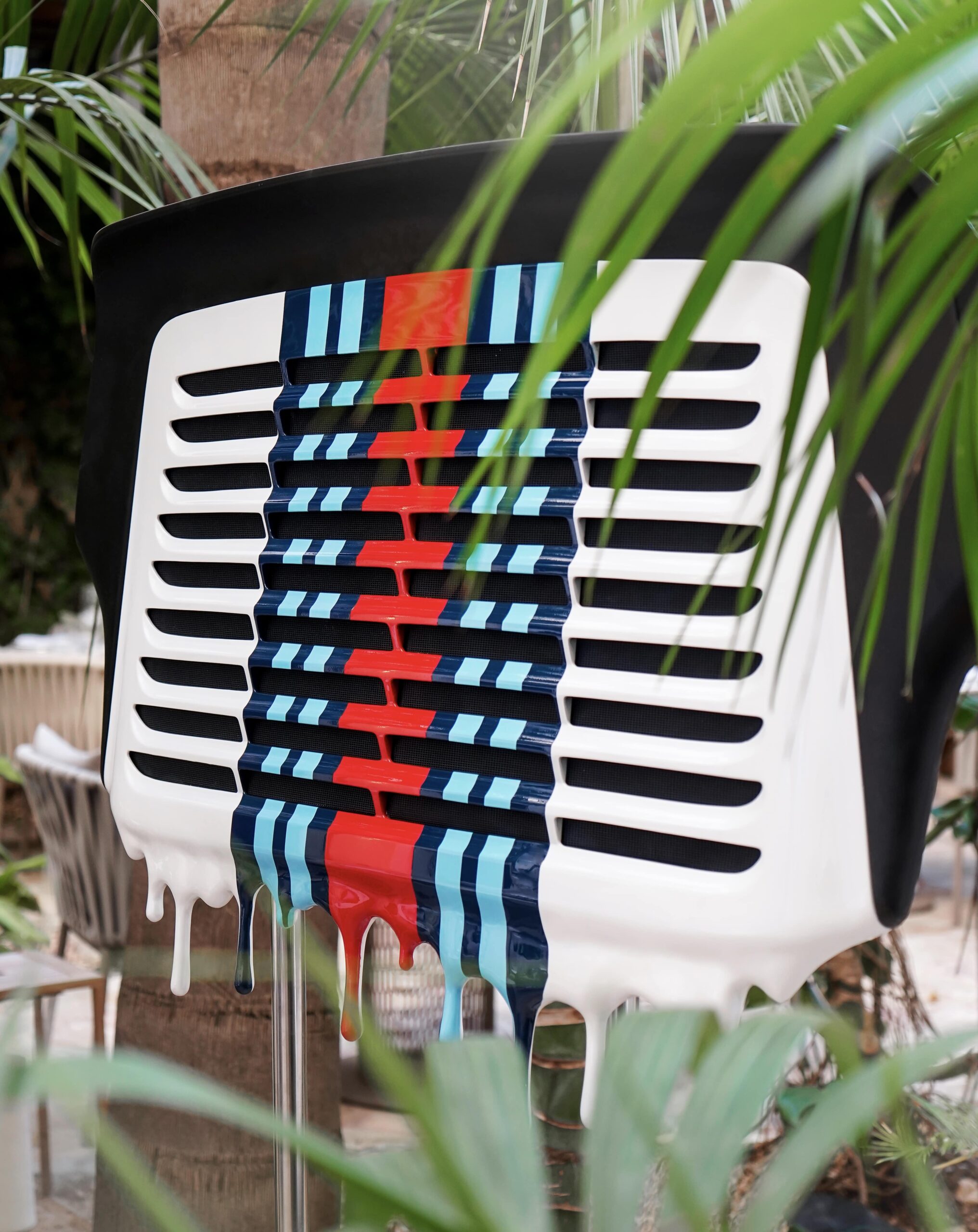
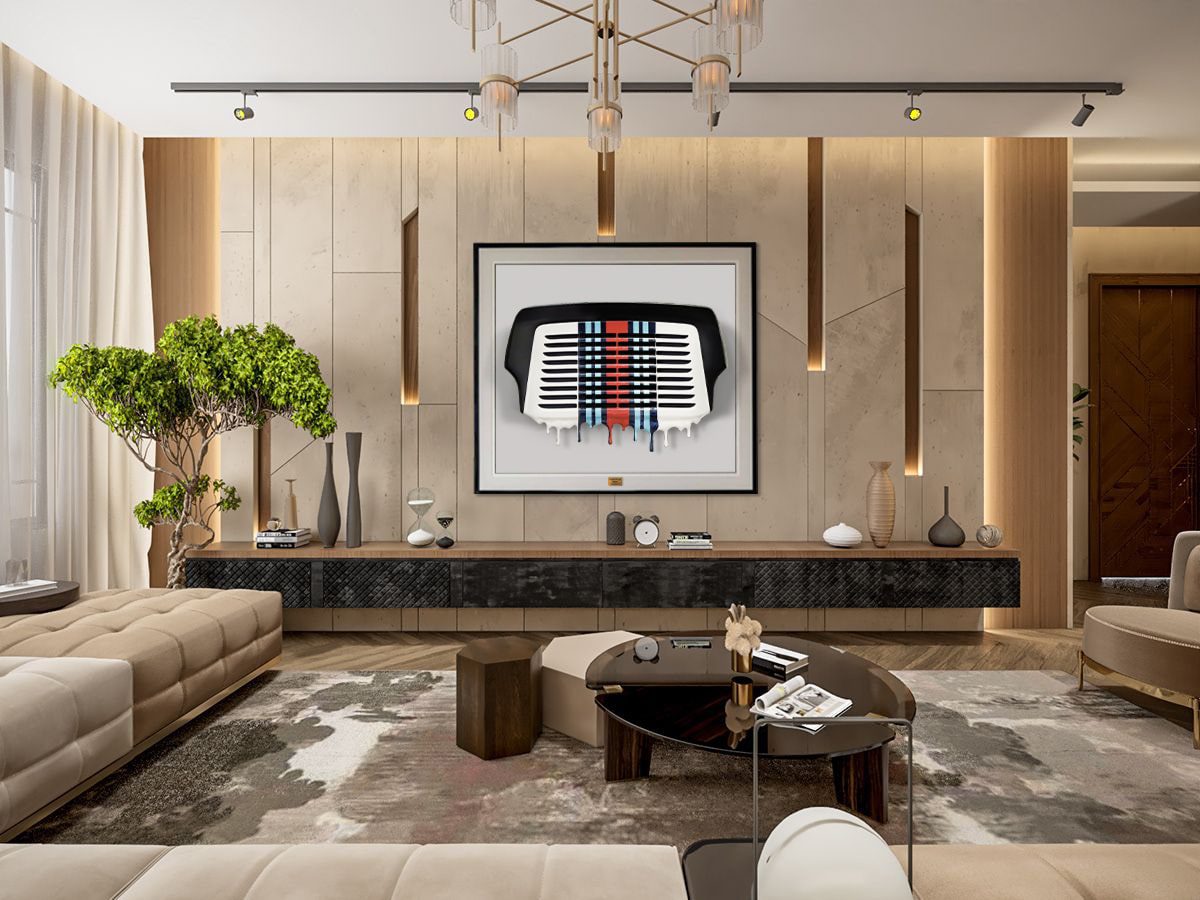
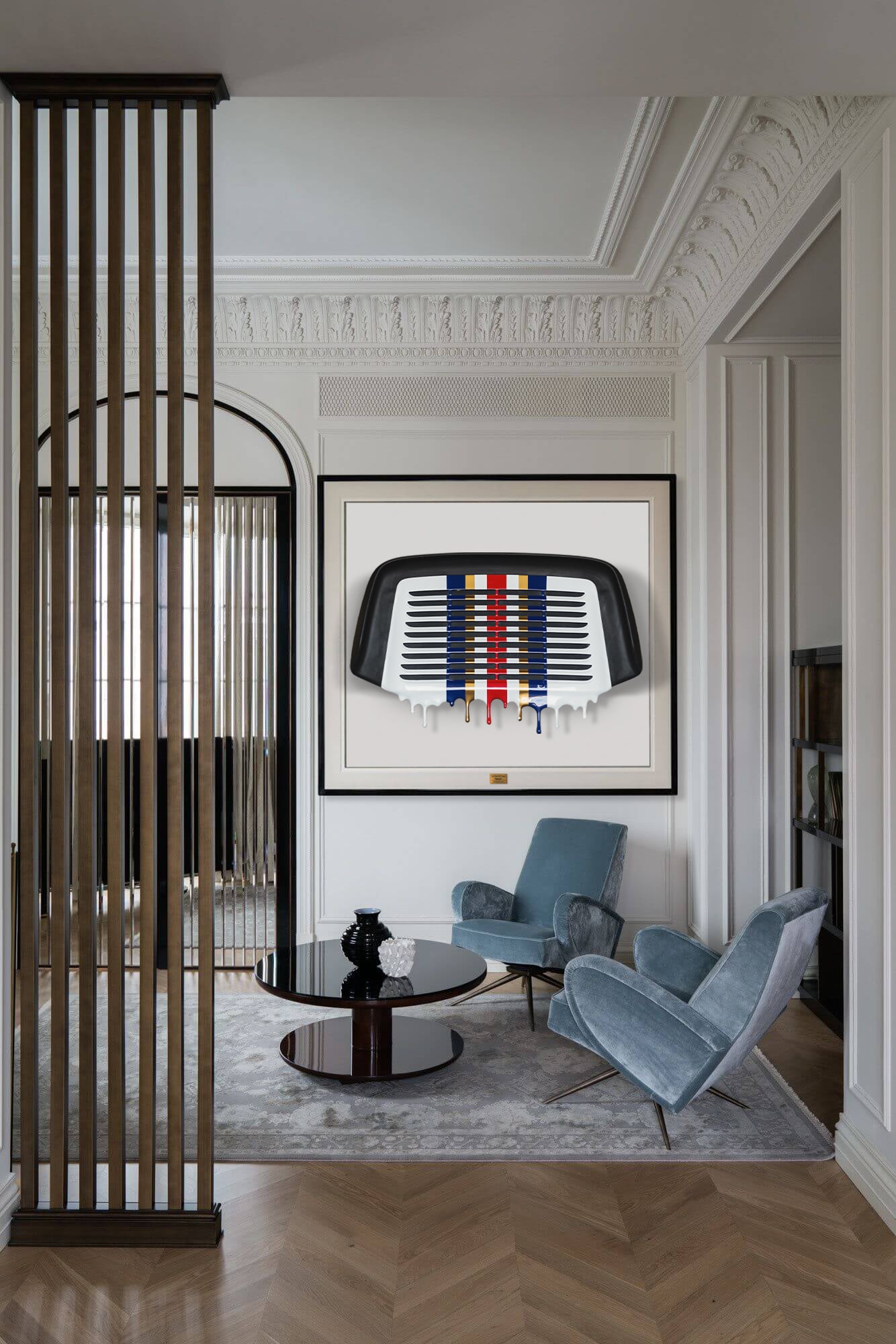
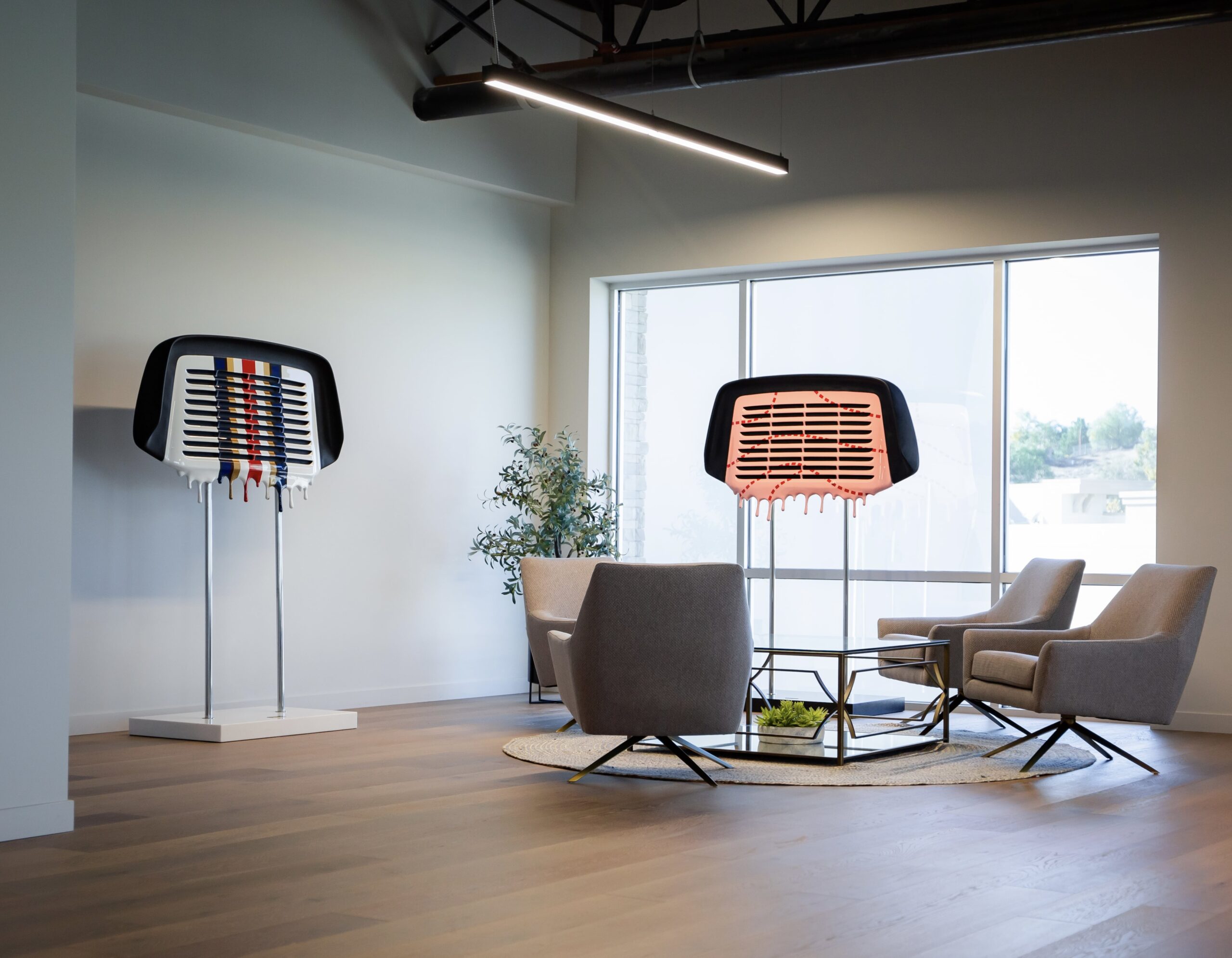
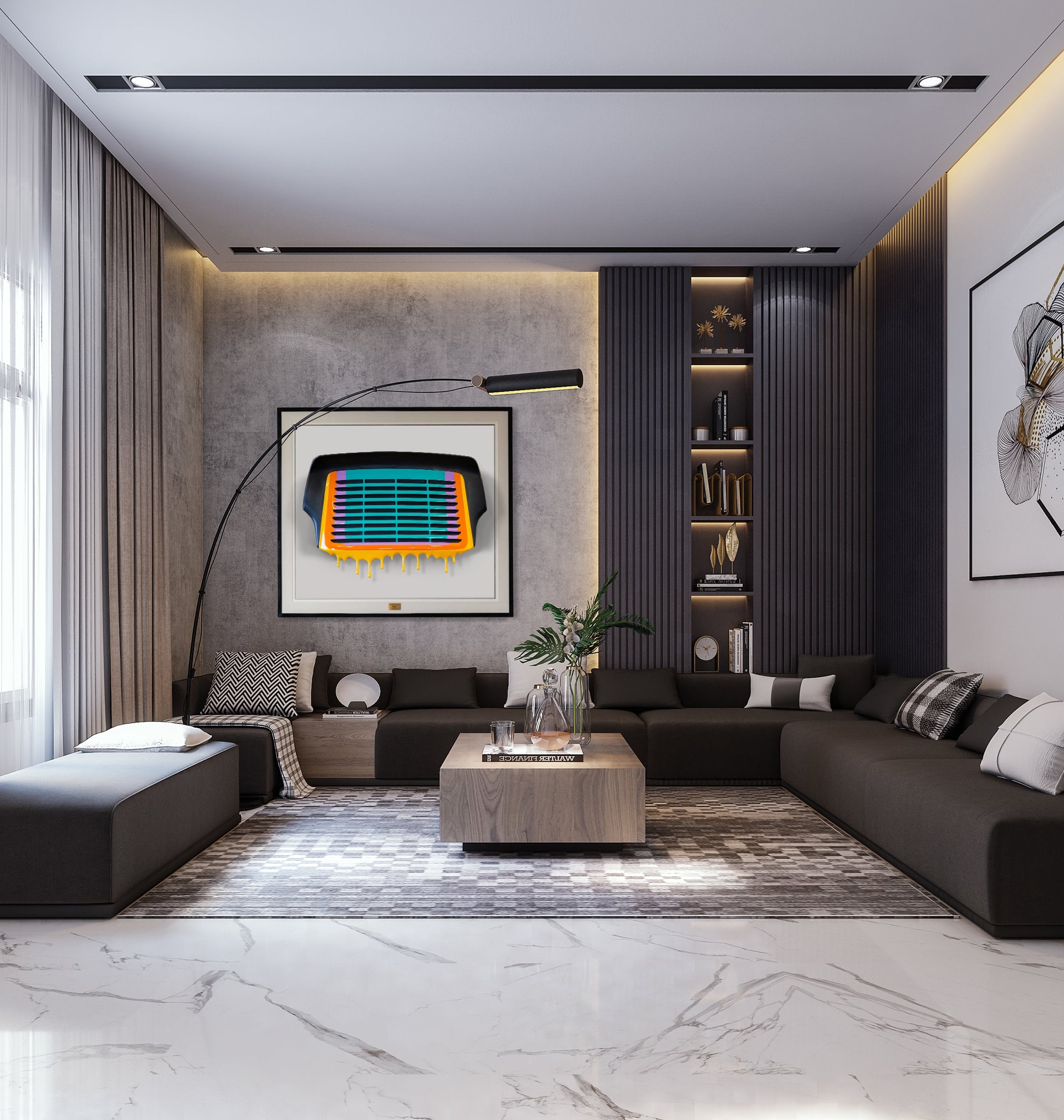
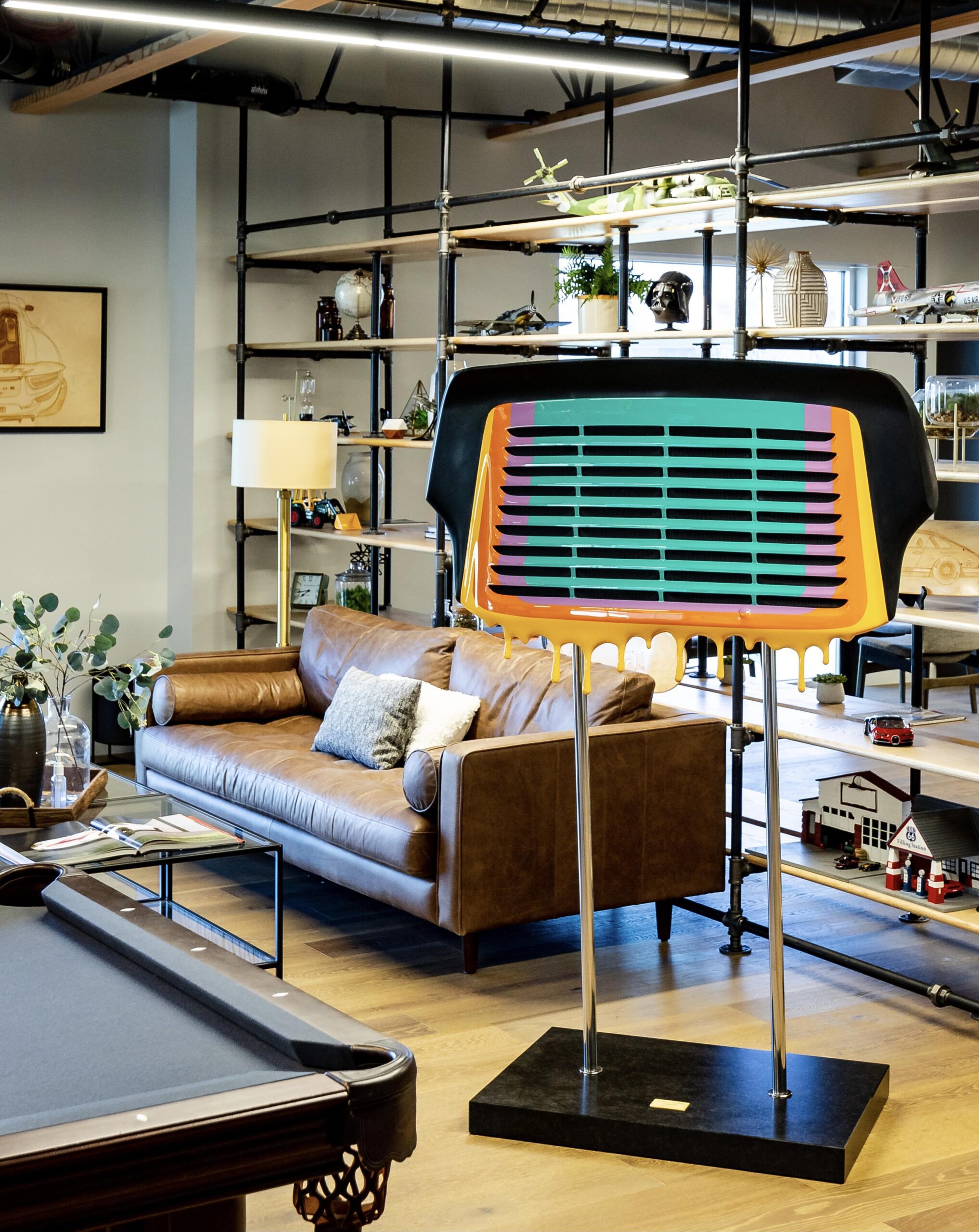
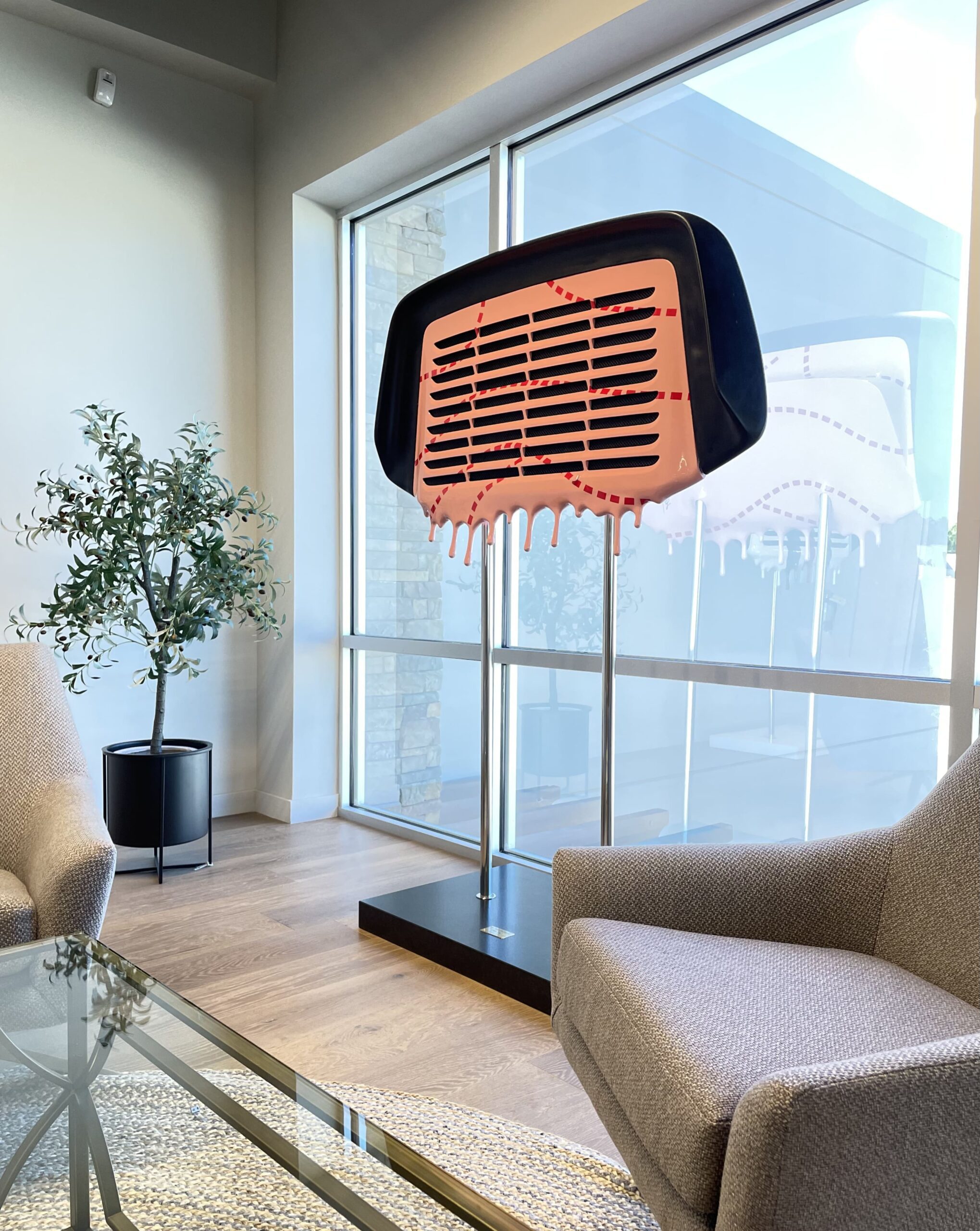
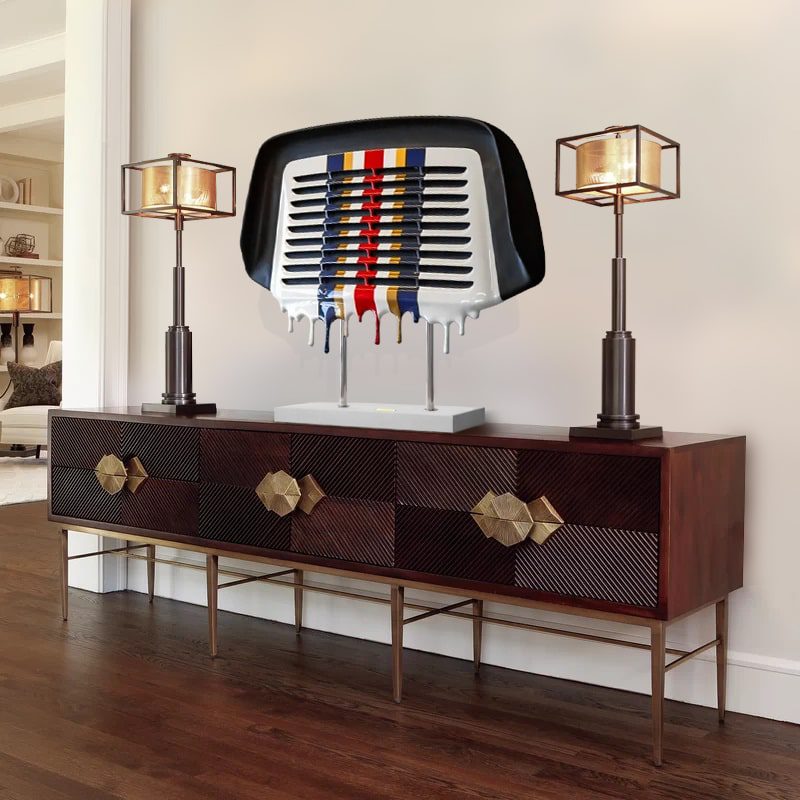
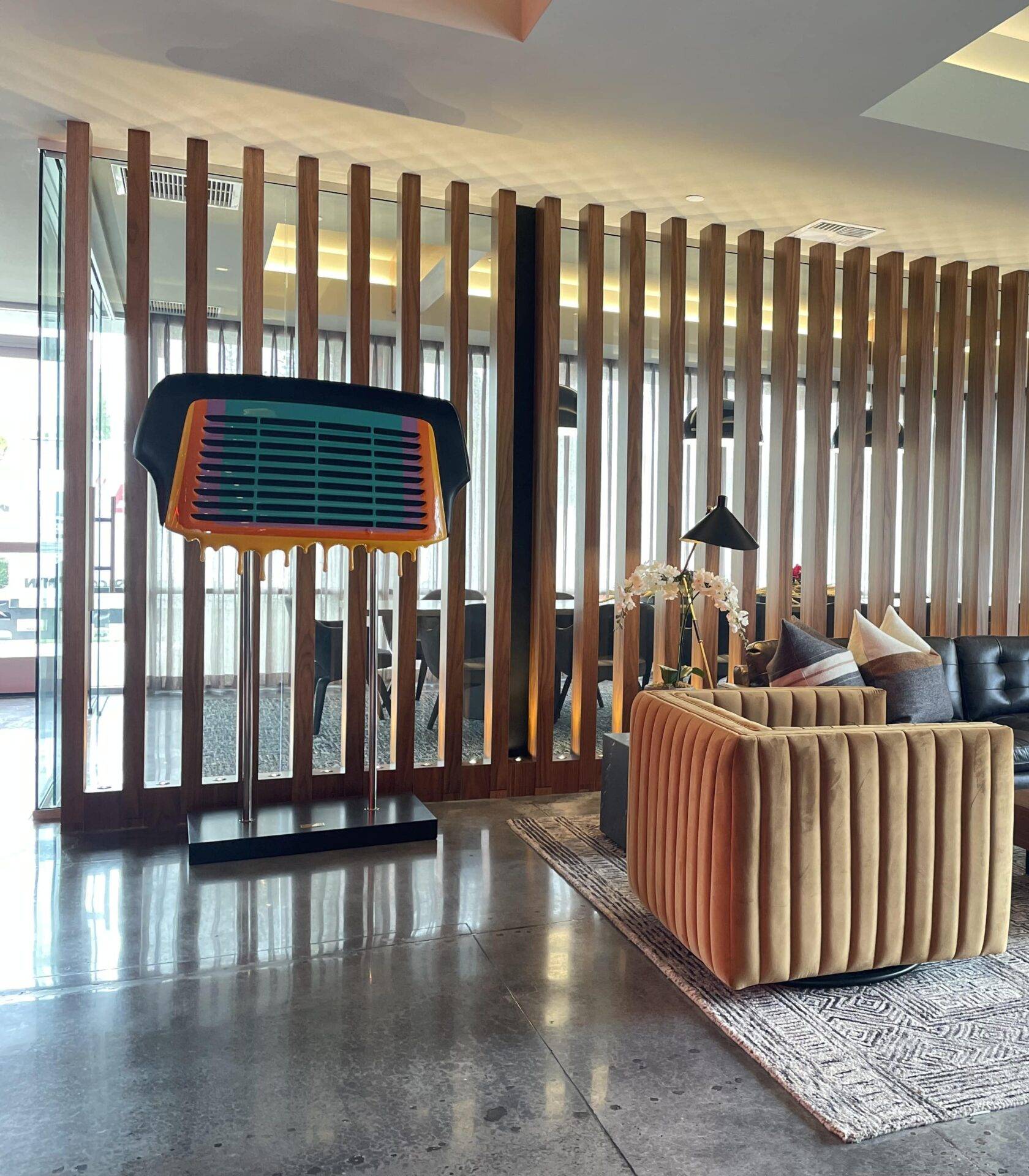
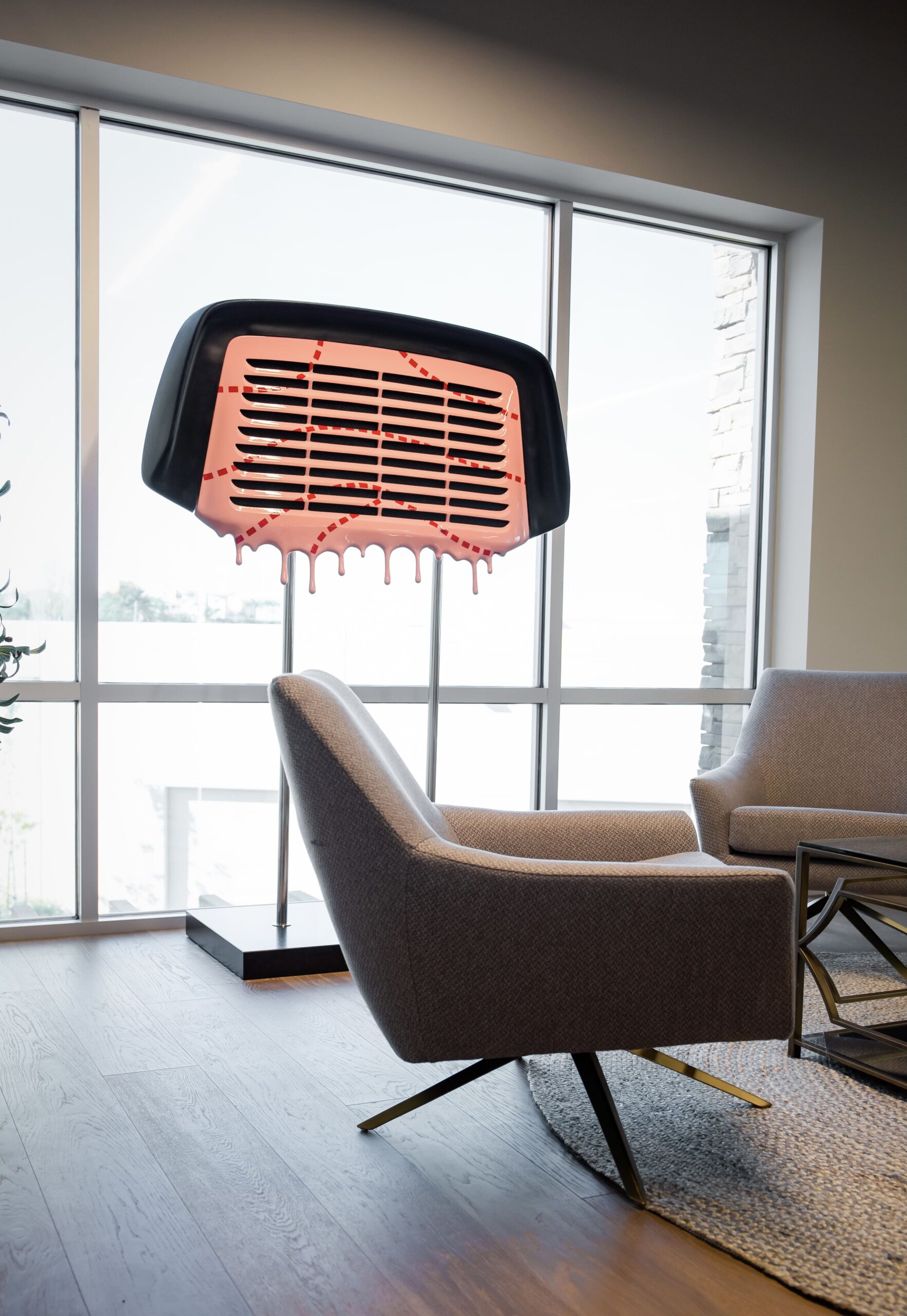
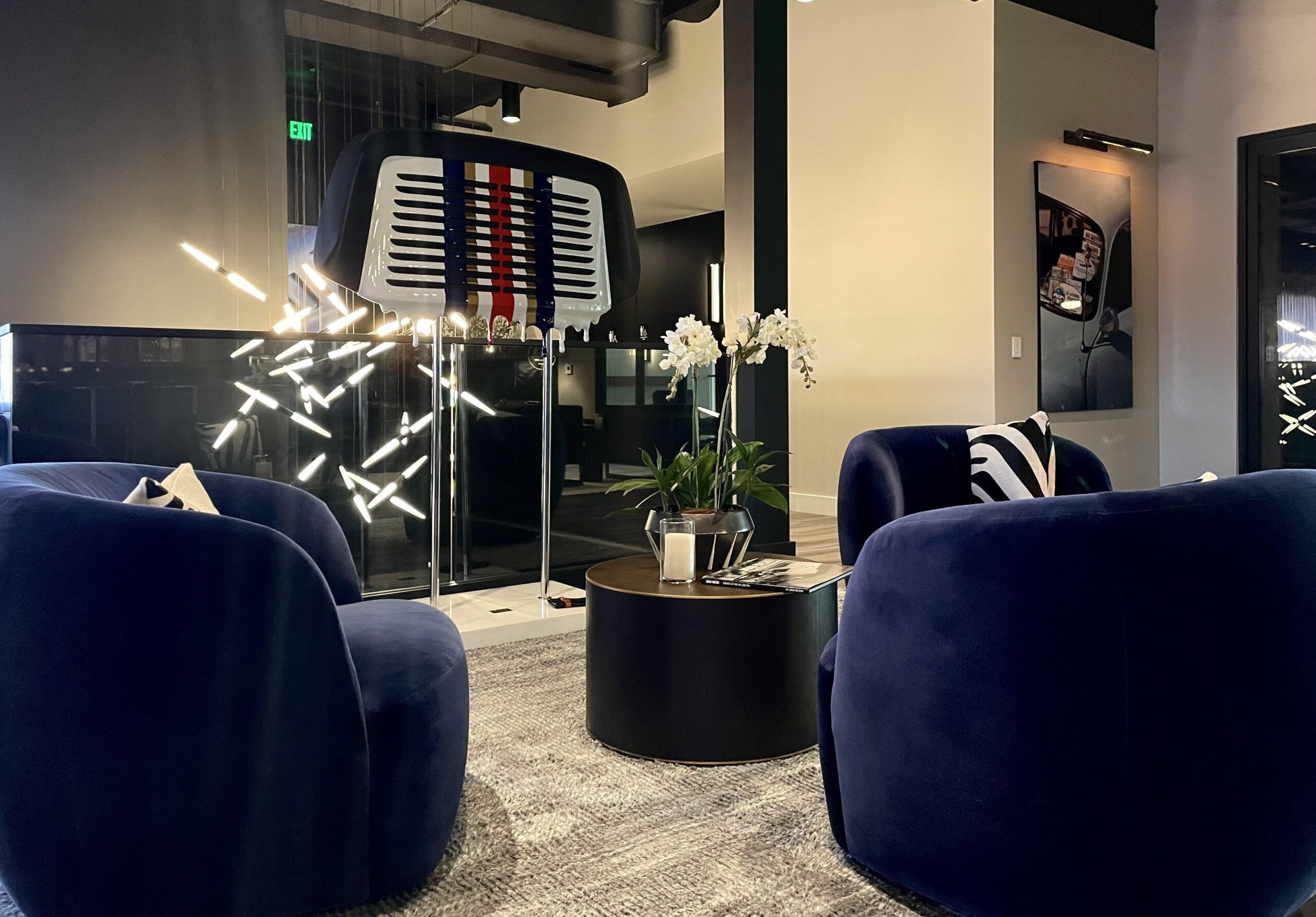
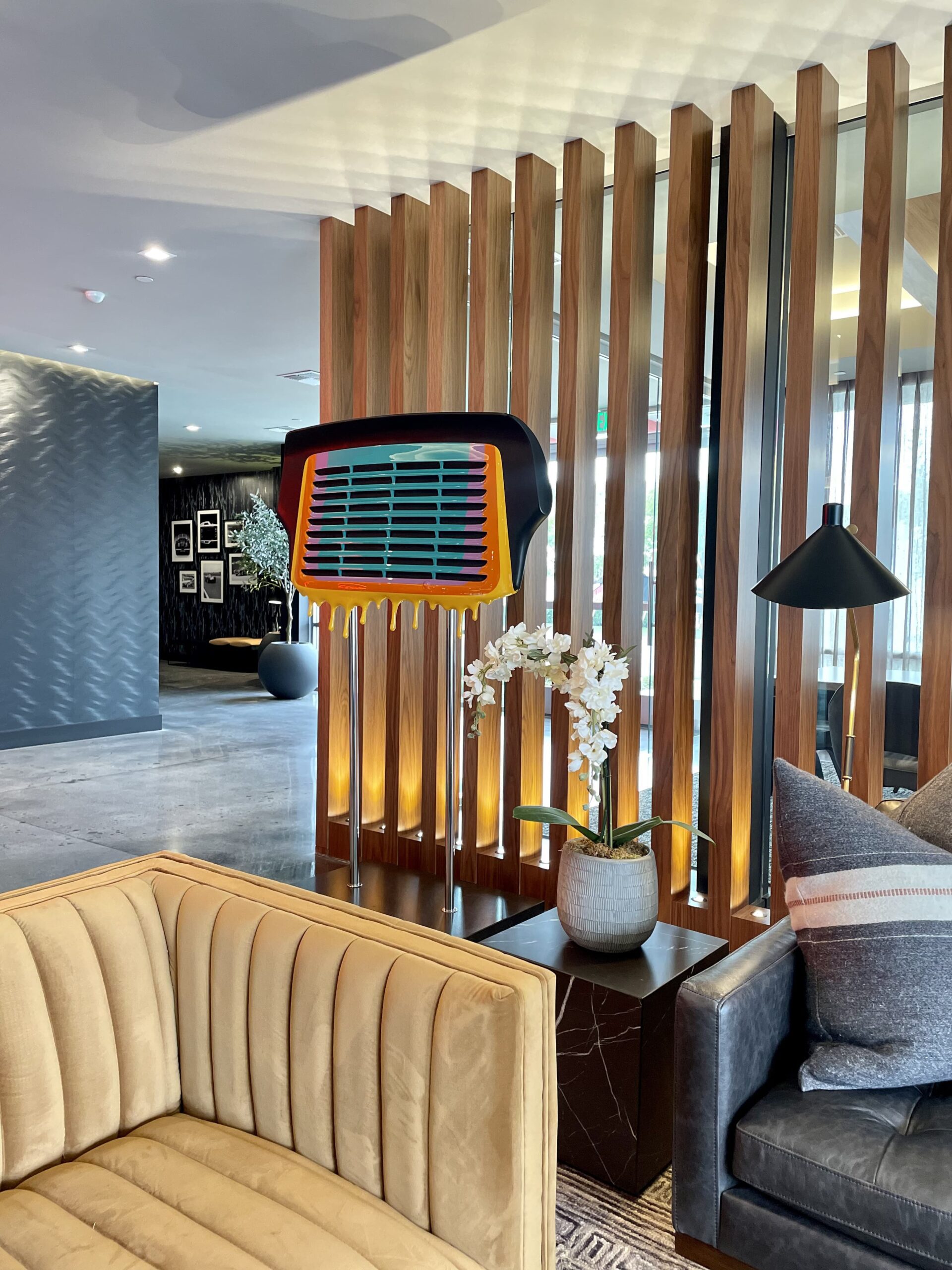
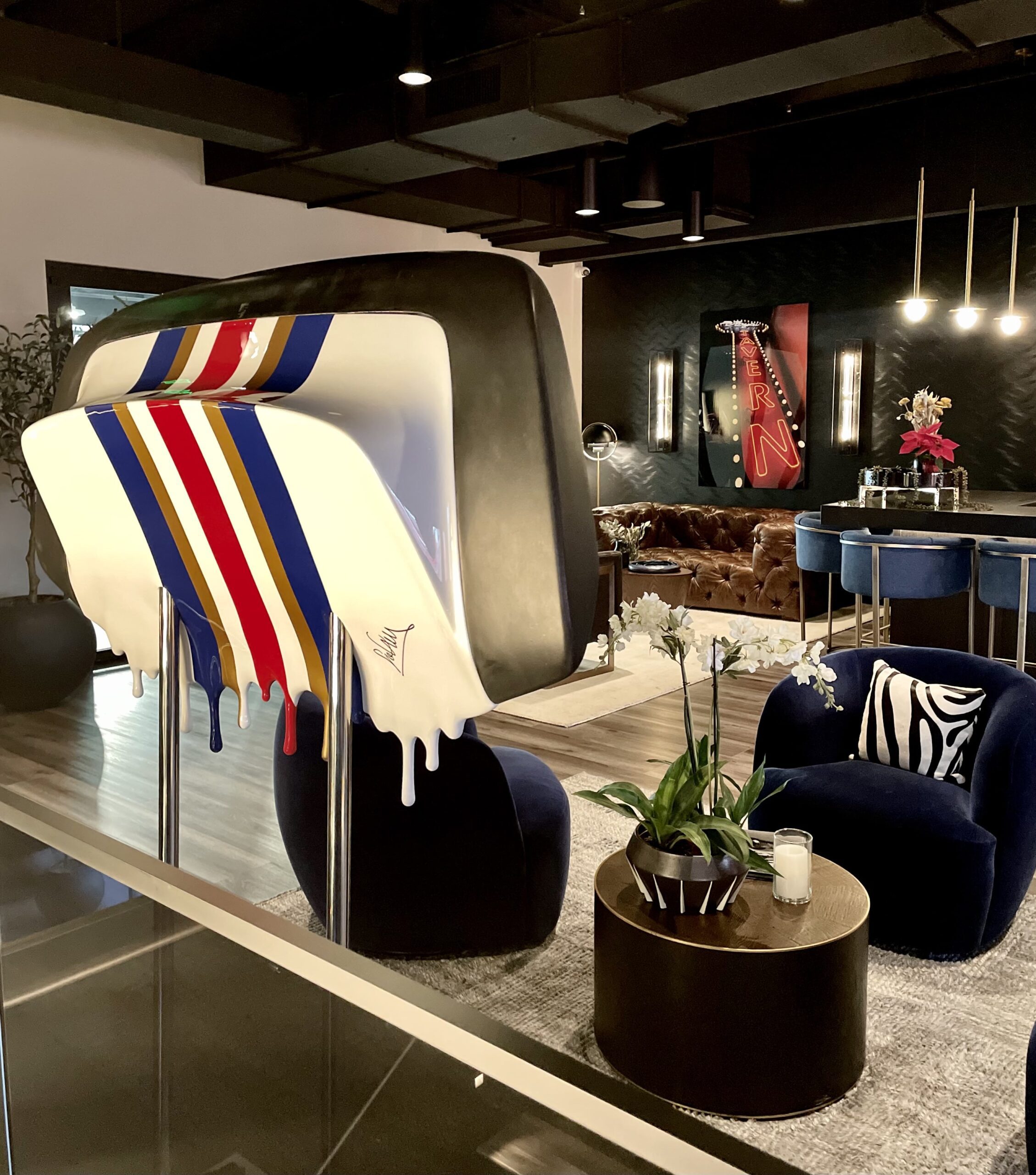
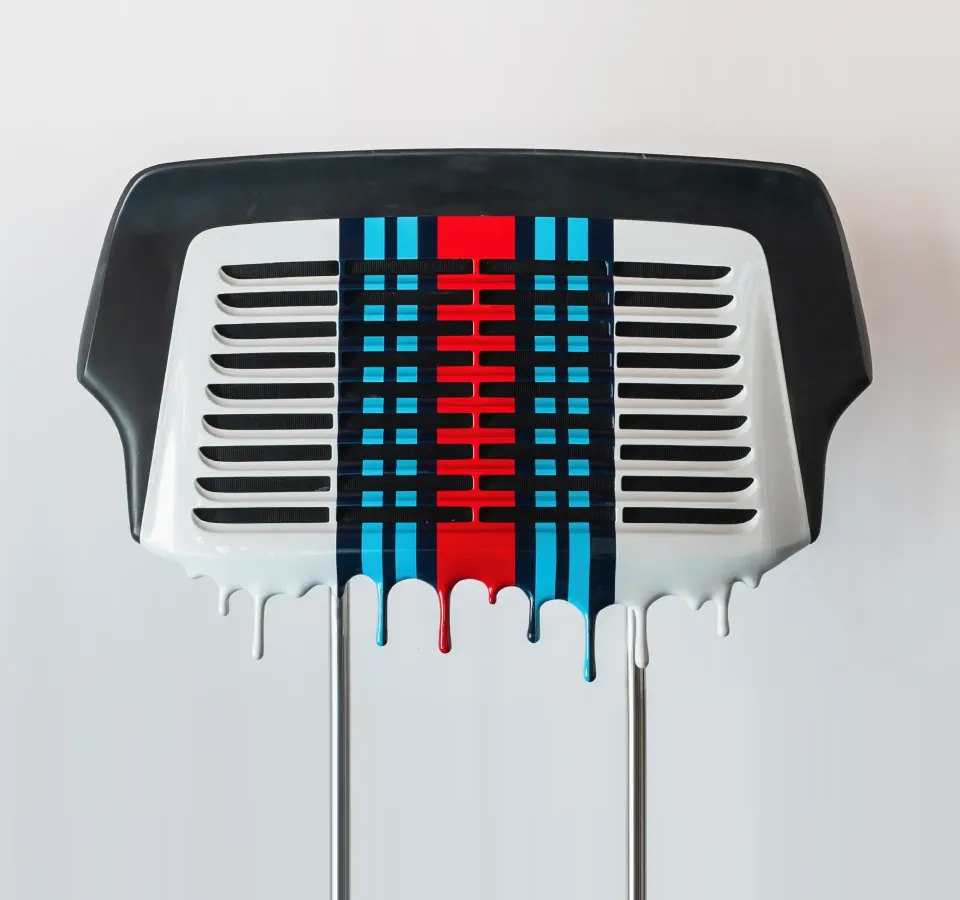
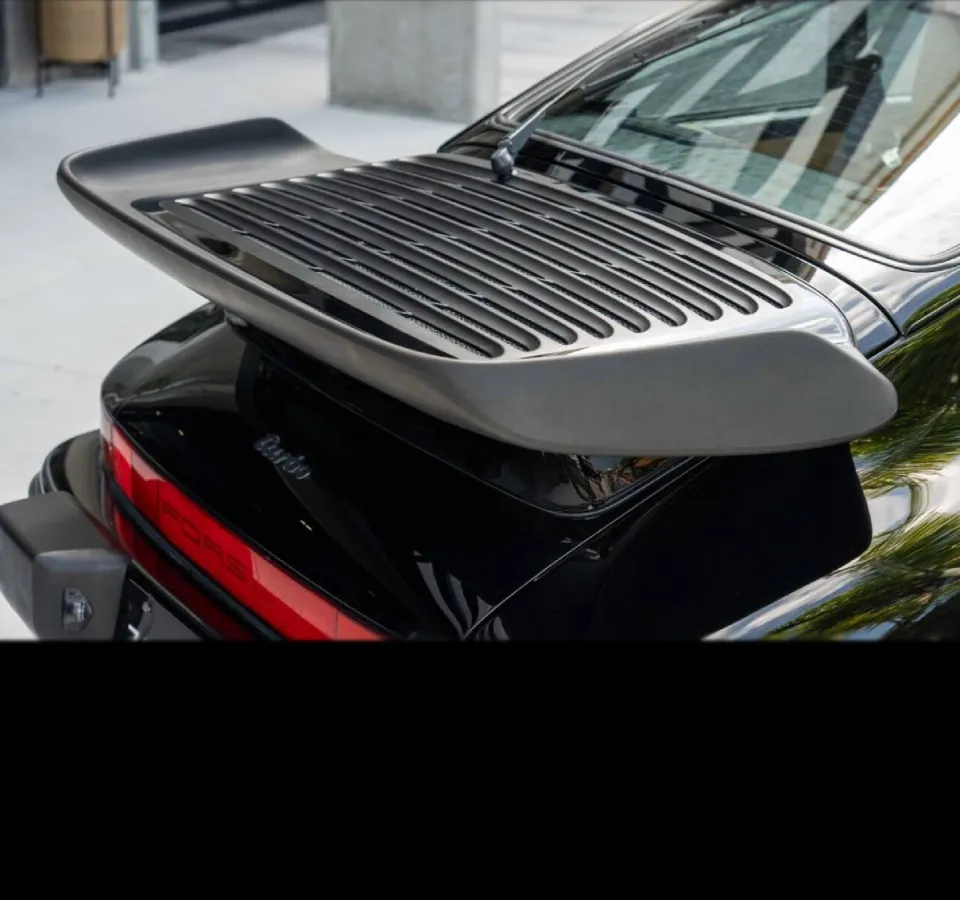
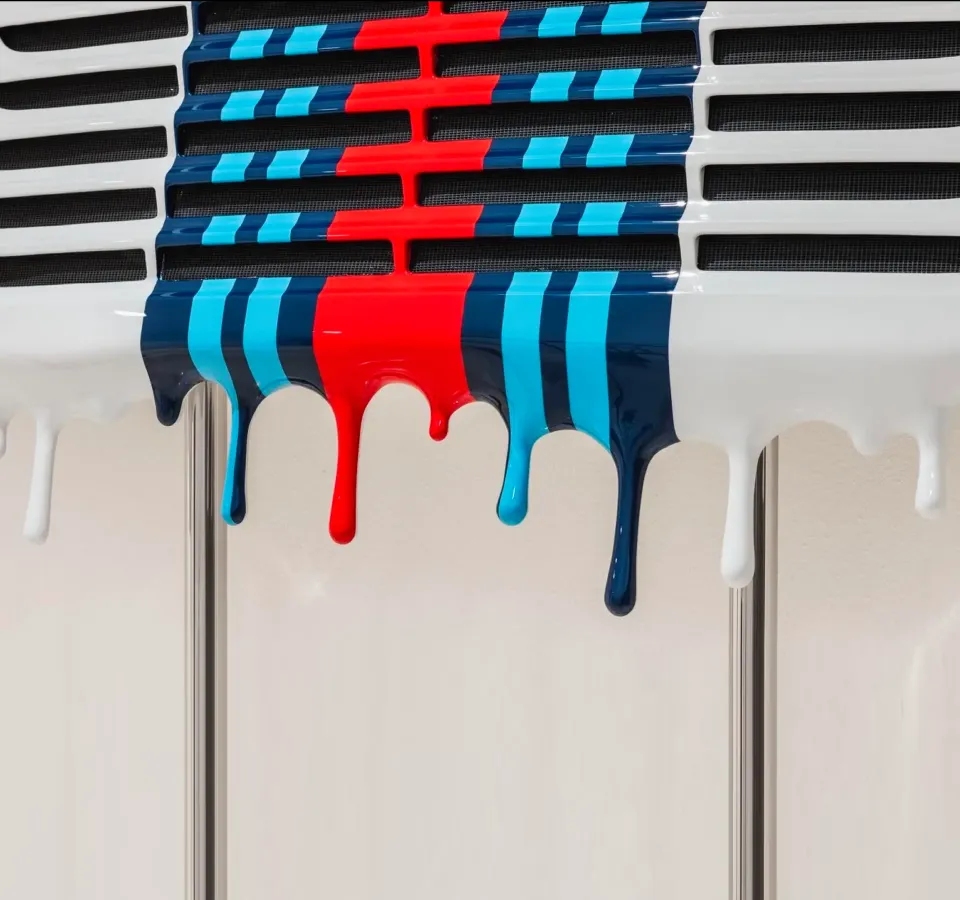
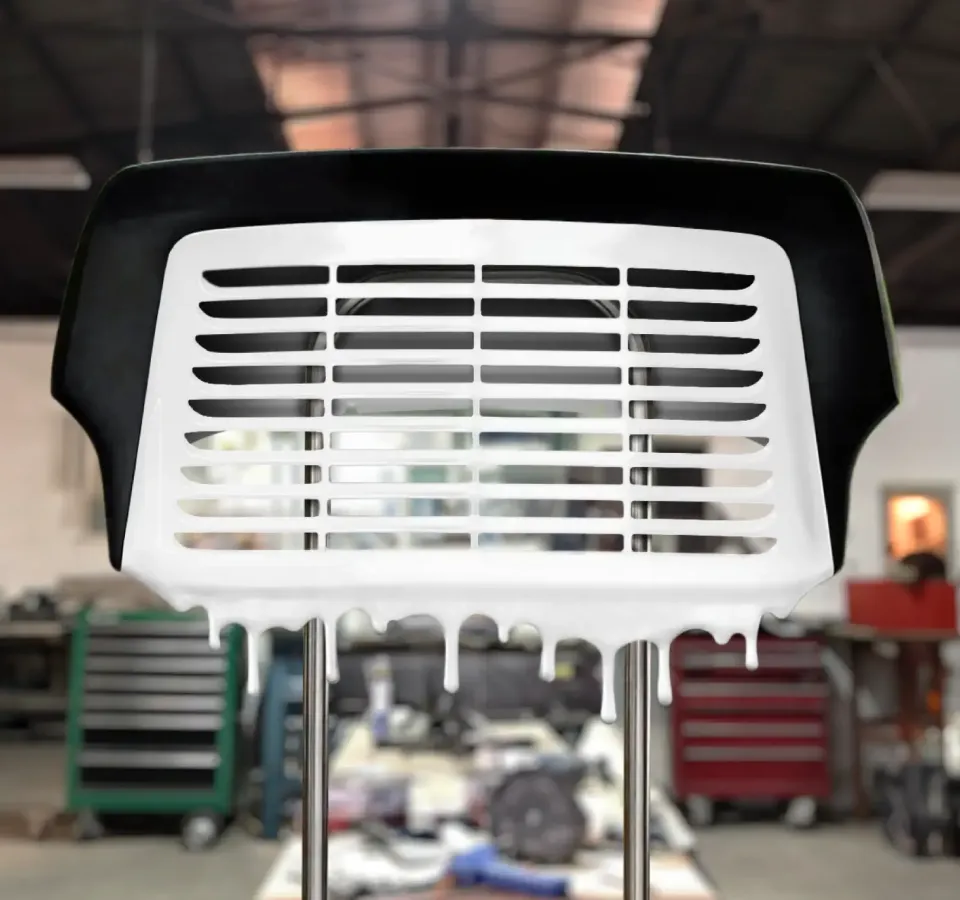
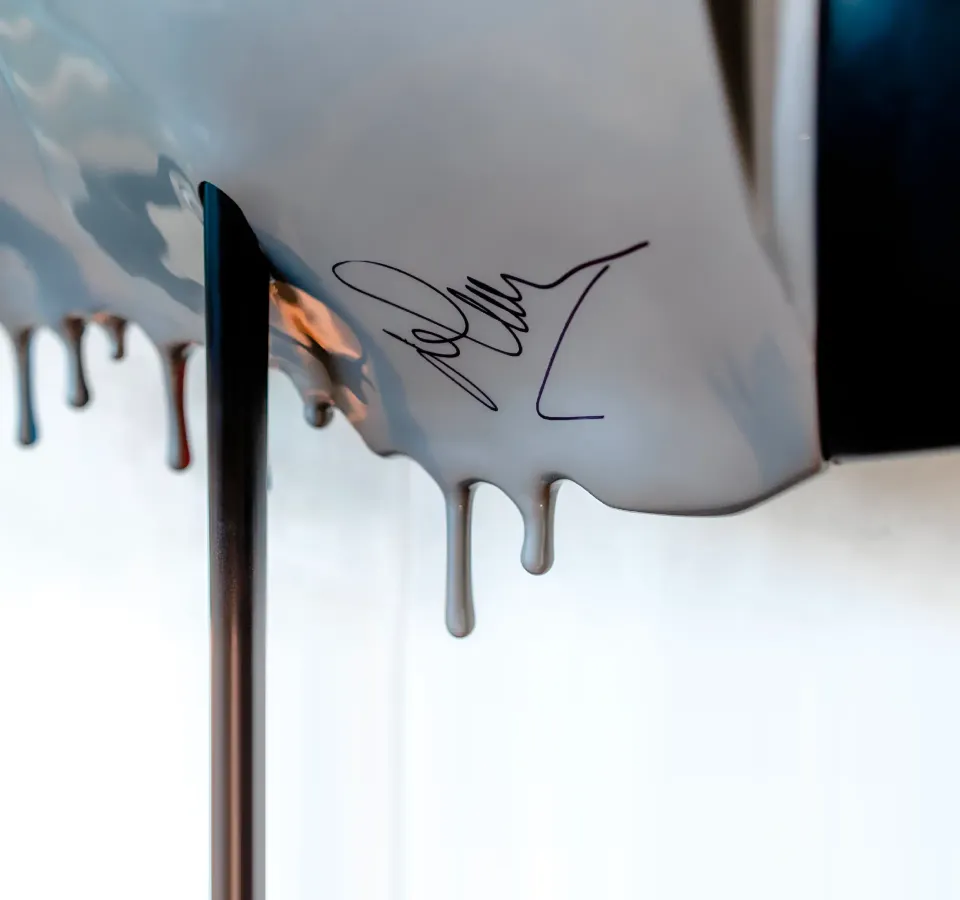
The Whale Tail Project is a tribute to classic cars and the brand's legendary racing history. Johans Lamic uses original Porsche parts and colors only, so each Whale Tail comes with its own 30-40-year-old road trip-memories. The iconic Whale Tail made its debut on the legendary 1975 930 Turbo, a legendary car for an entire generation due to the first addition of a turbo to the engine, the specific wider look and driving characteristics due to the turbo lag and oversteering.
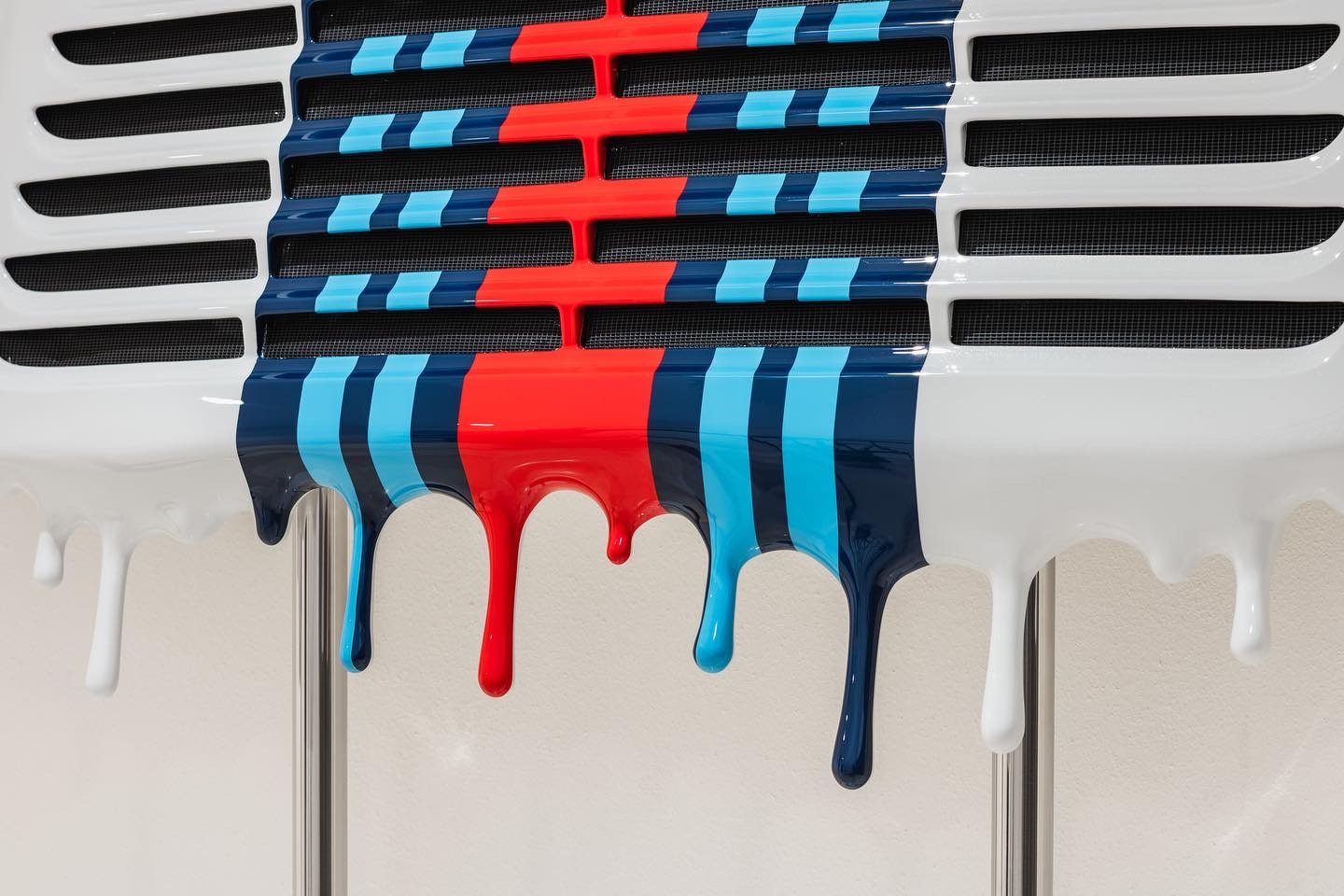
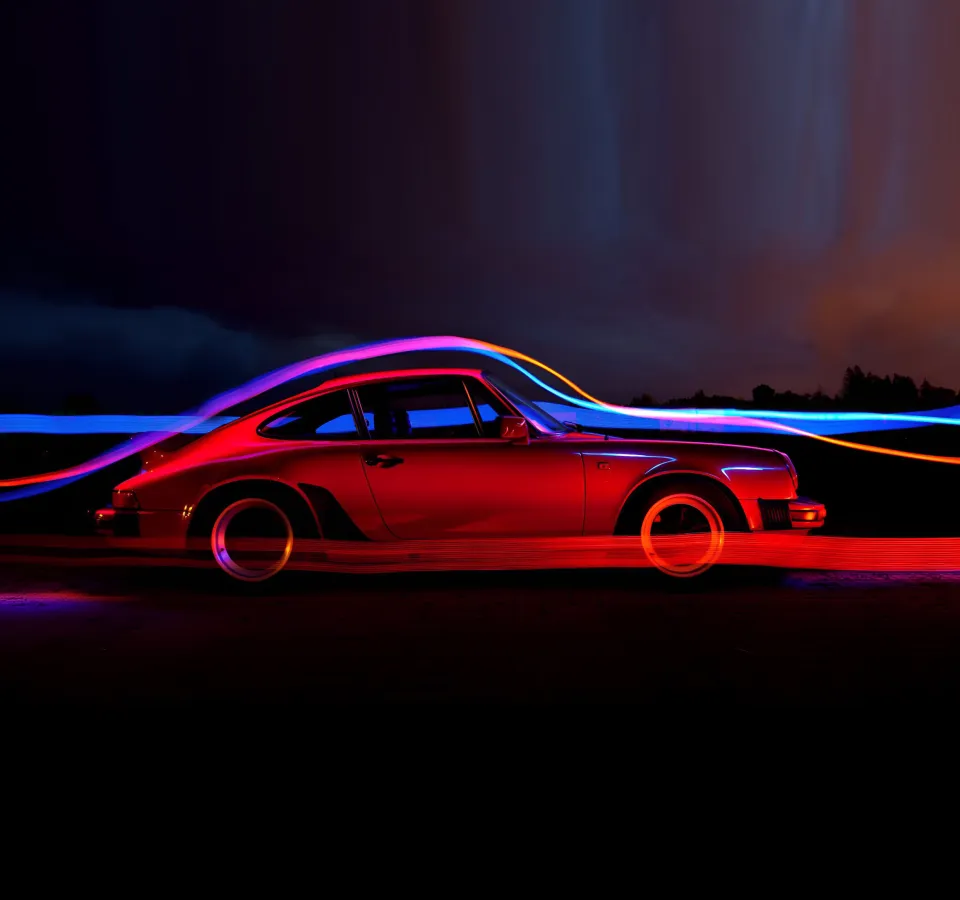
Being an airline captain, Johans has a penchant for aerodynamics. His intention was to visually depict and explain the function of the spoiler. As air is a liquid, the drops symbolize fluidity and speed.
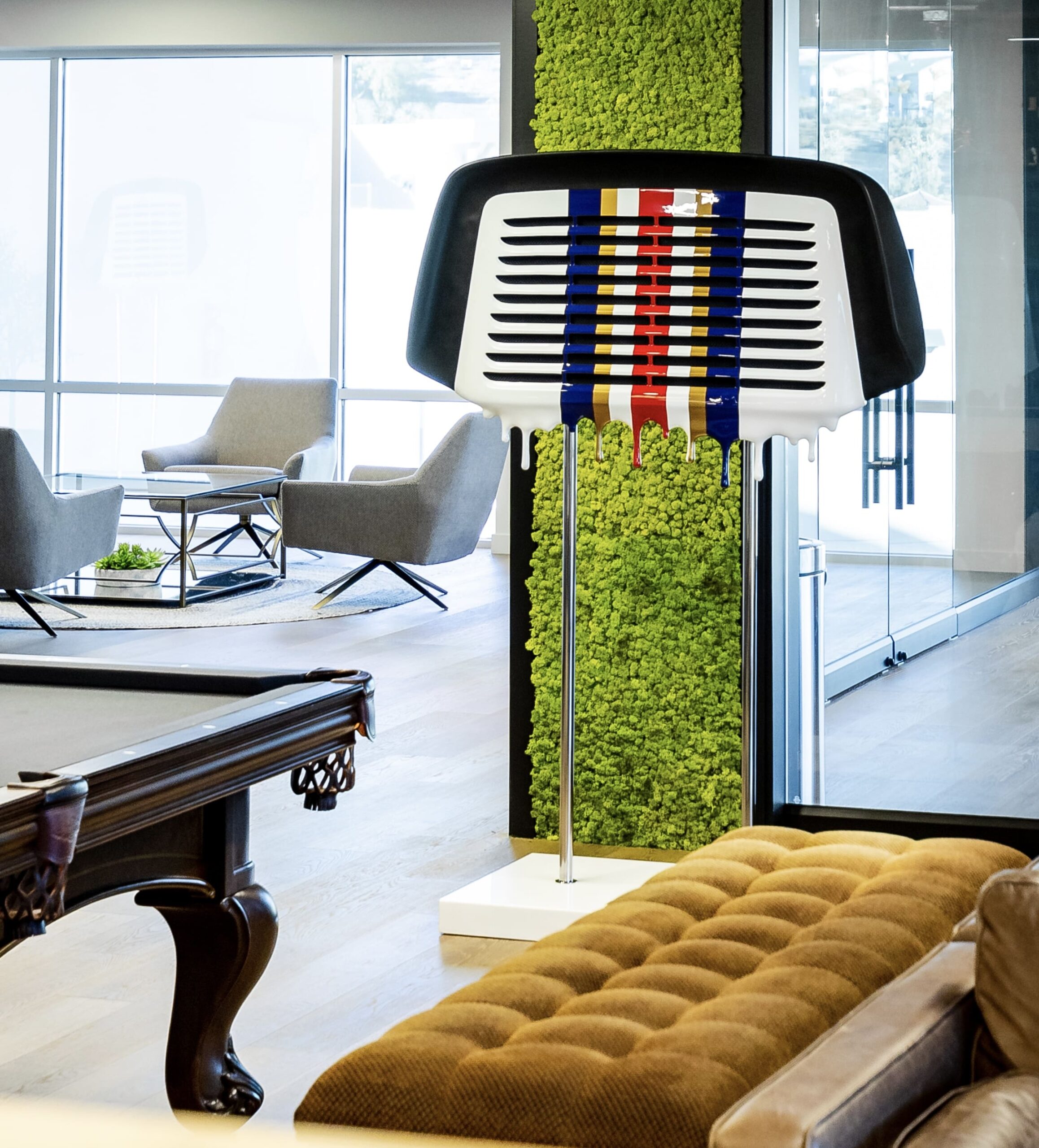
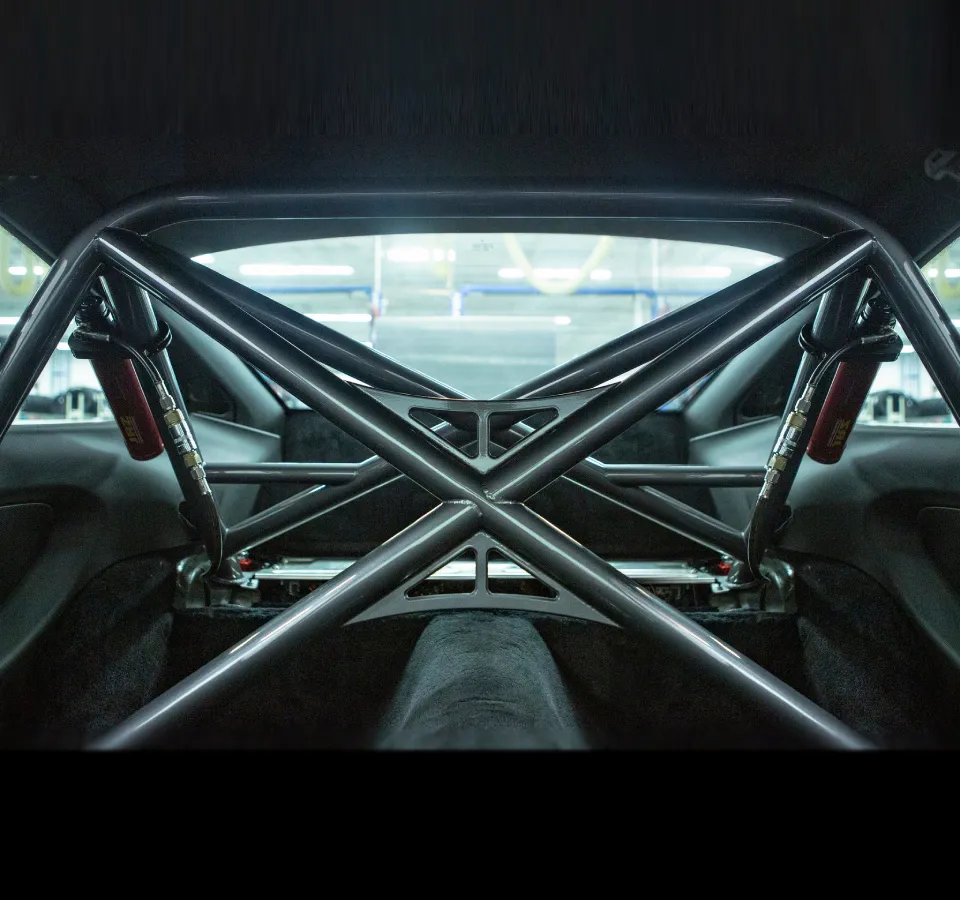
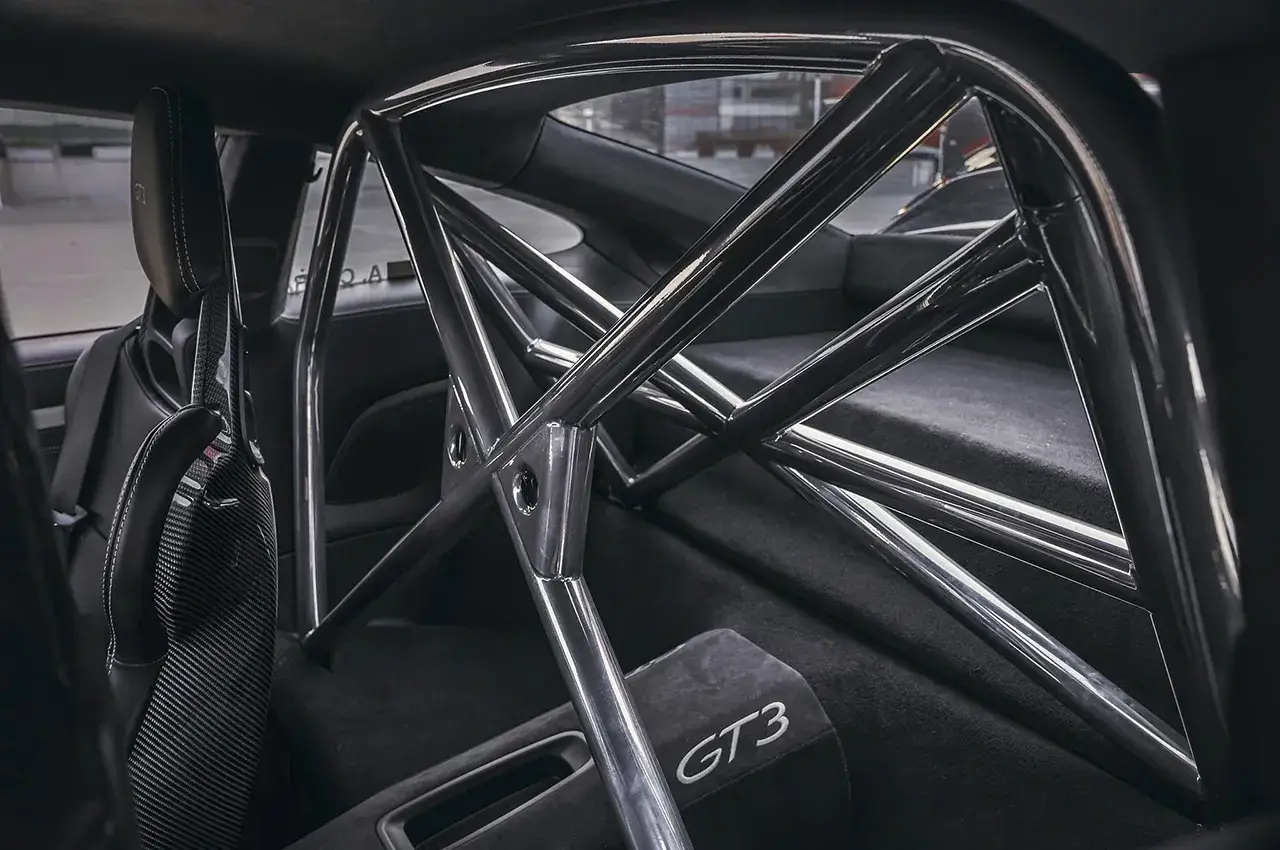
Each Whale Tail is equipped with a roll cage type construction inside into which the rods are inserted at the ends. Striving for perfection Johans loves to include invisible details in his work.
The roll cage represents one of the most significant equipment for the personal protection in every sport car and in rally vehicles in particular. Mimicking that indispensable safety equipment, each whale Tail is created using 1.25 inches/32mm diameter tubes with a thickness of 0.09/2.286 mm as per international regulation for a vehicle weight between 1001 and 1500 lbs (vehicle weight+ driver). It is generally made of thin gauge pipes, joined together, to assemble a safety structure.
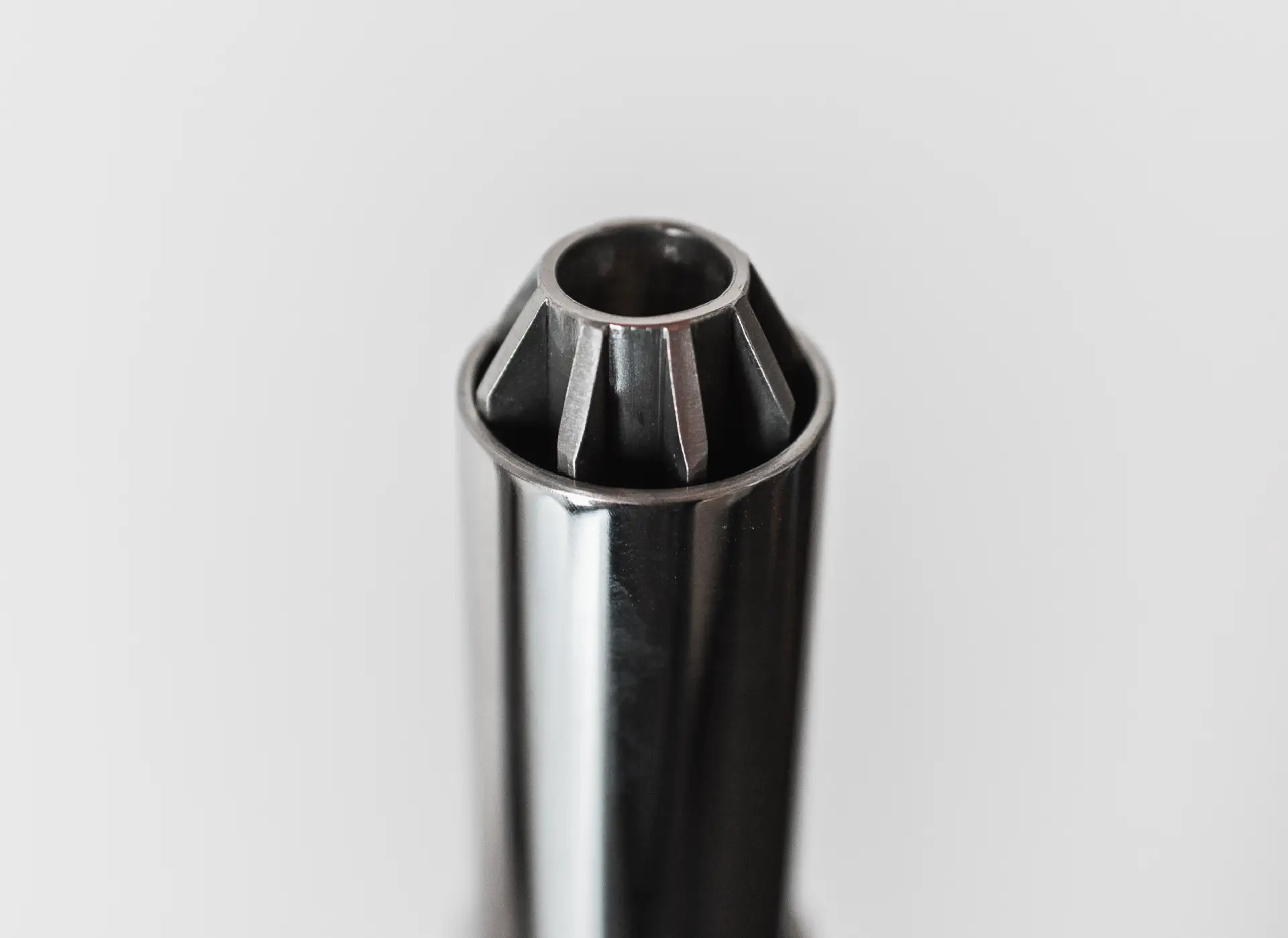
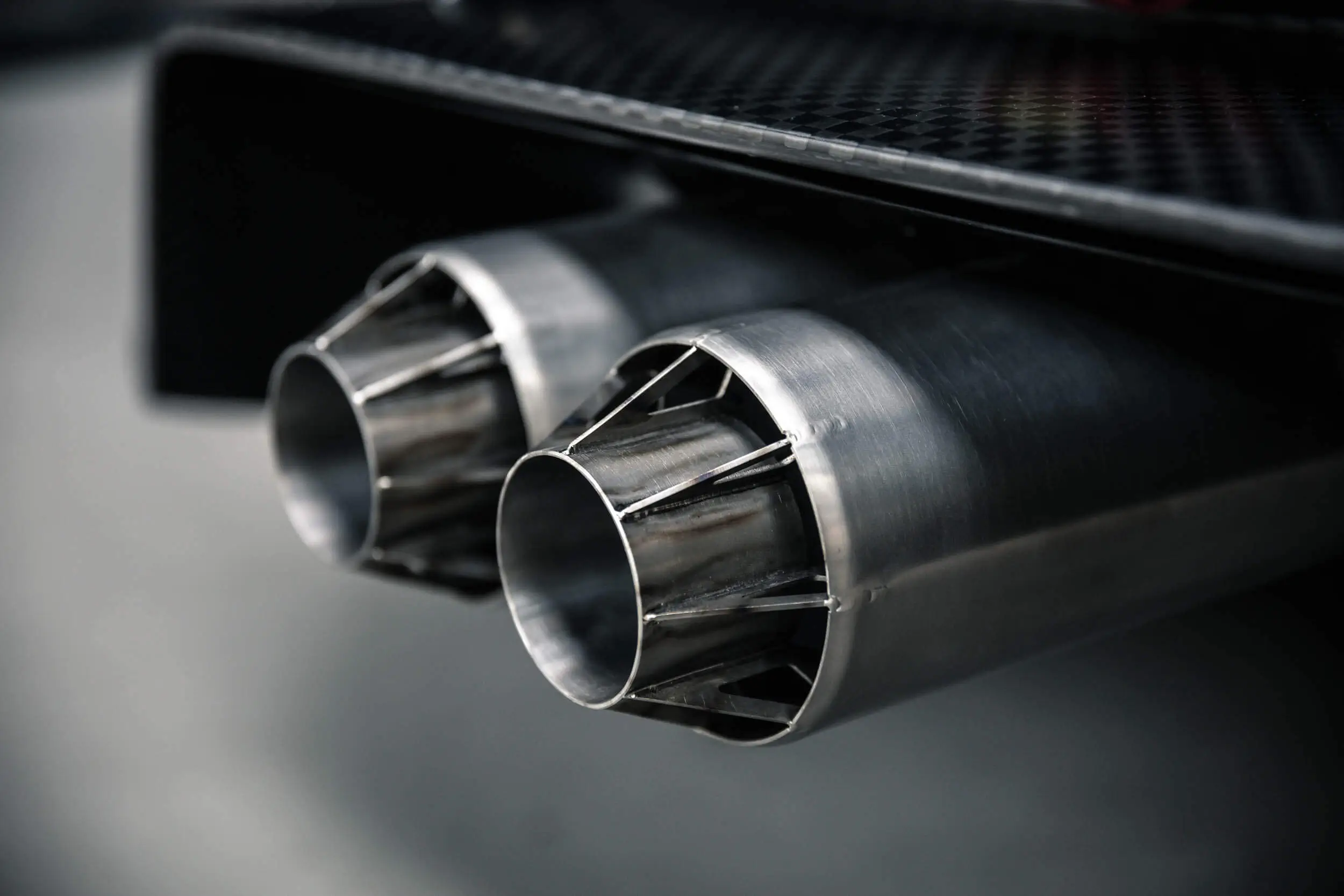
The head of the poles are hand welded, just like the prototype after they were created- the exhaust pipe of the 935.
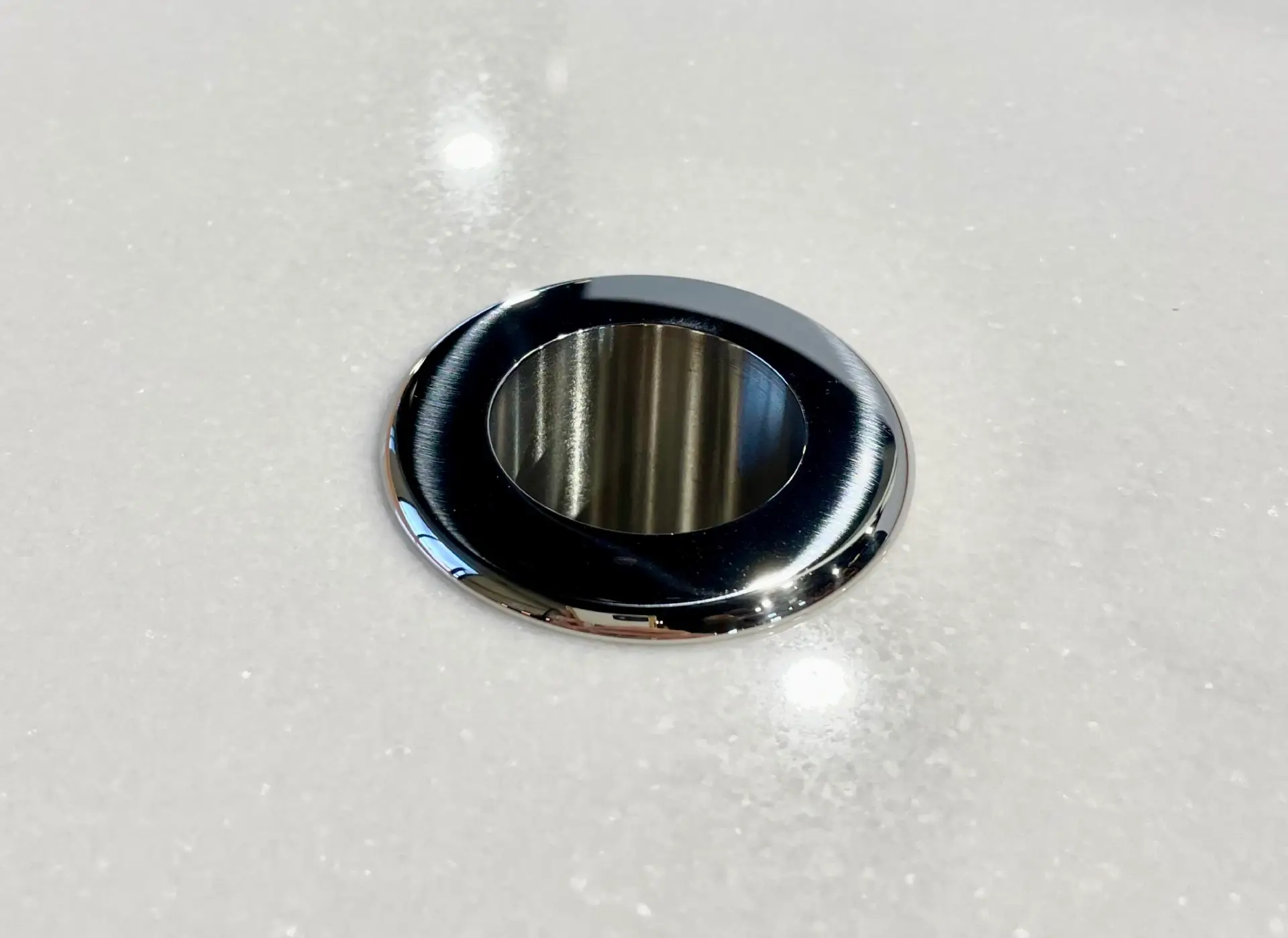
Each Whale Tail is mounted on a custom-made base. Johans chooses the color of the base in harmony with the design of each edition. Black granite- reminiscent of the rough texture of a racetrack. White “Thassos” marble, reflecting the beautiful sparkle of the Oryx White paint that serves as a base for some of his objects.
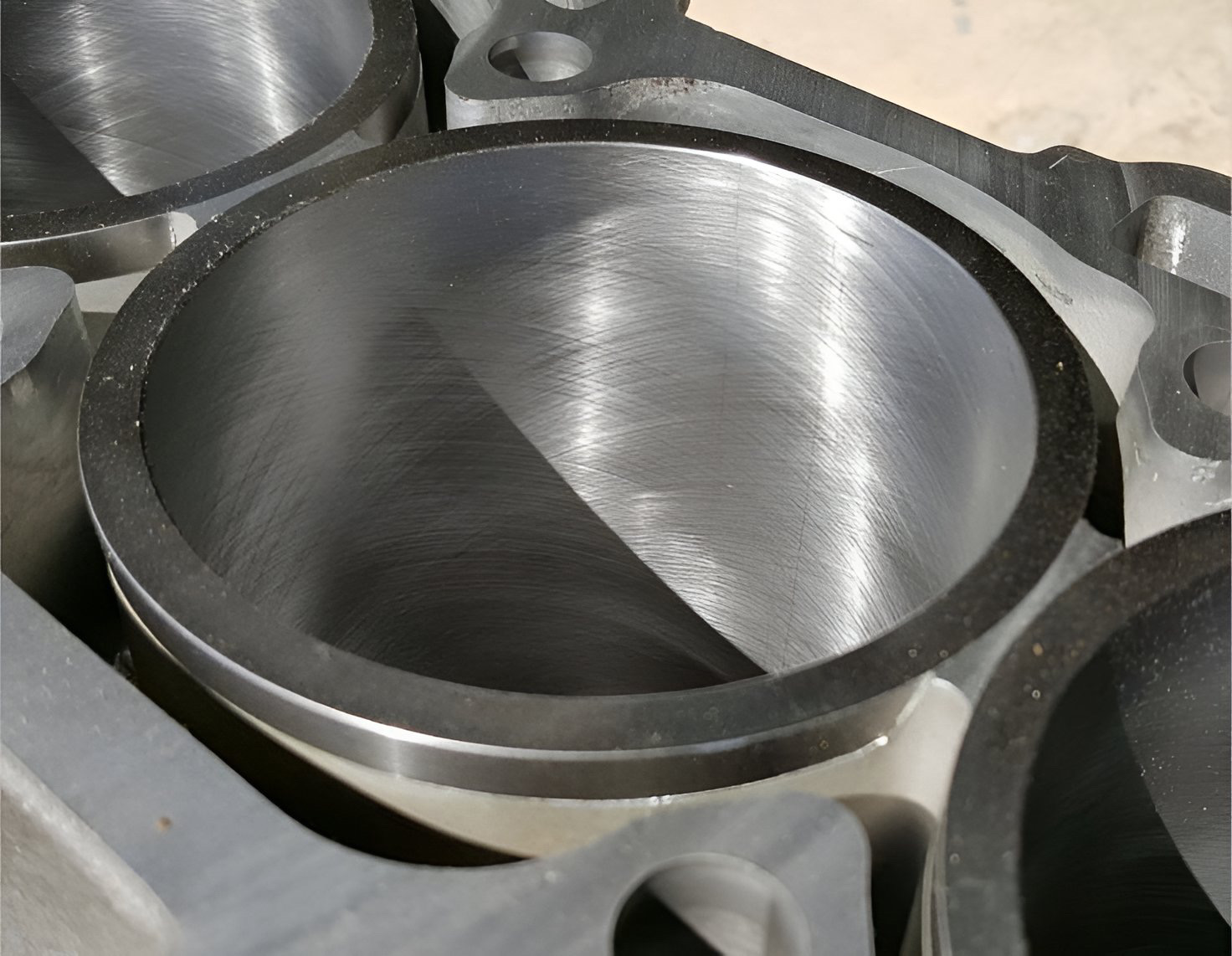
The inlays are bored with extreme precision from a single piece of metal. As smoothly as the pistons slide into the combustion chambers, so do the custom-made rods slide into their unique inlays.
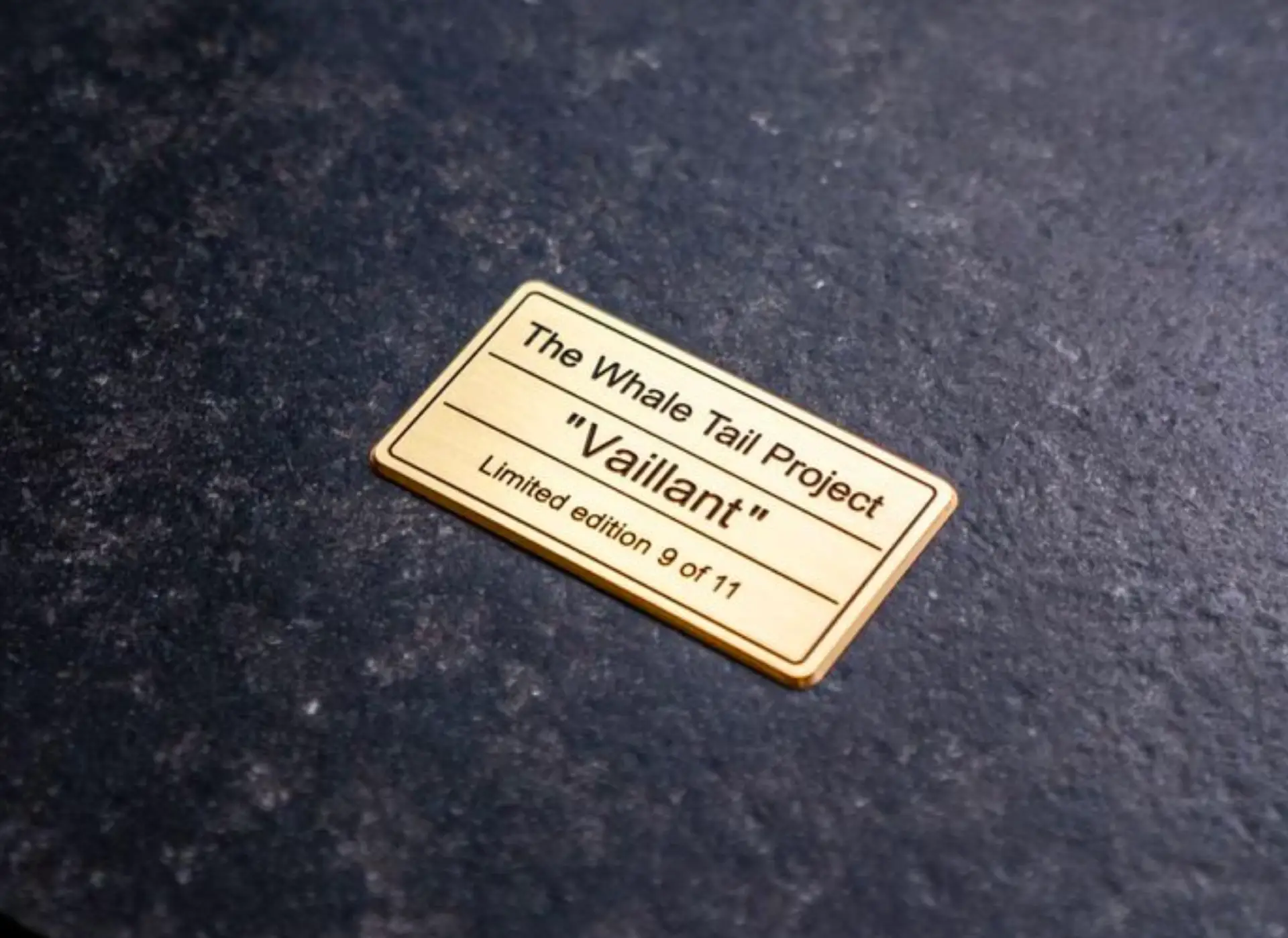
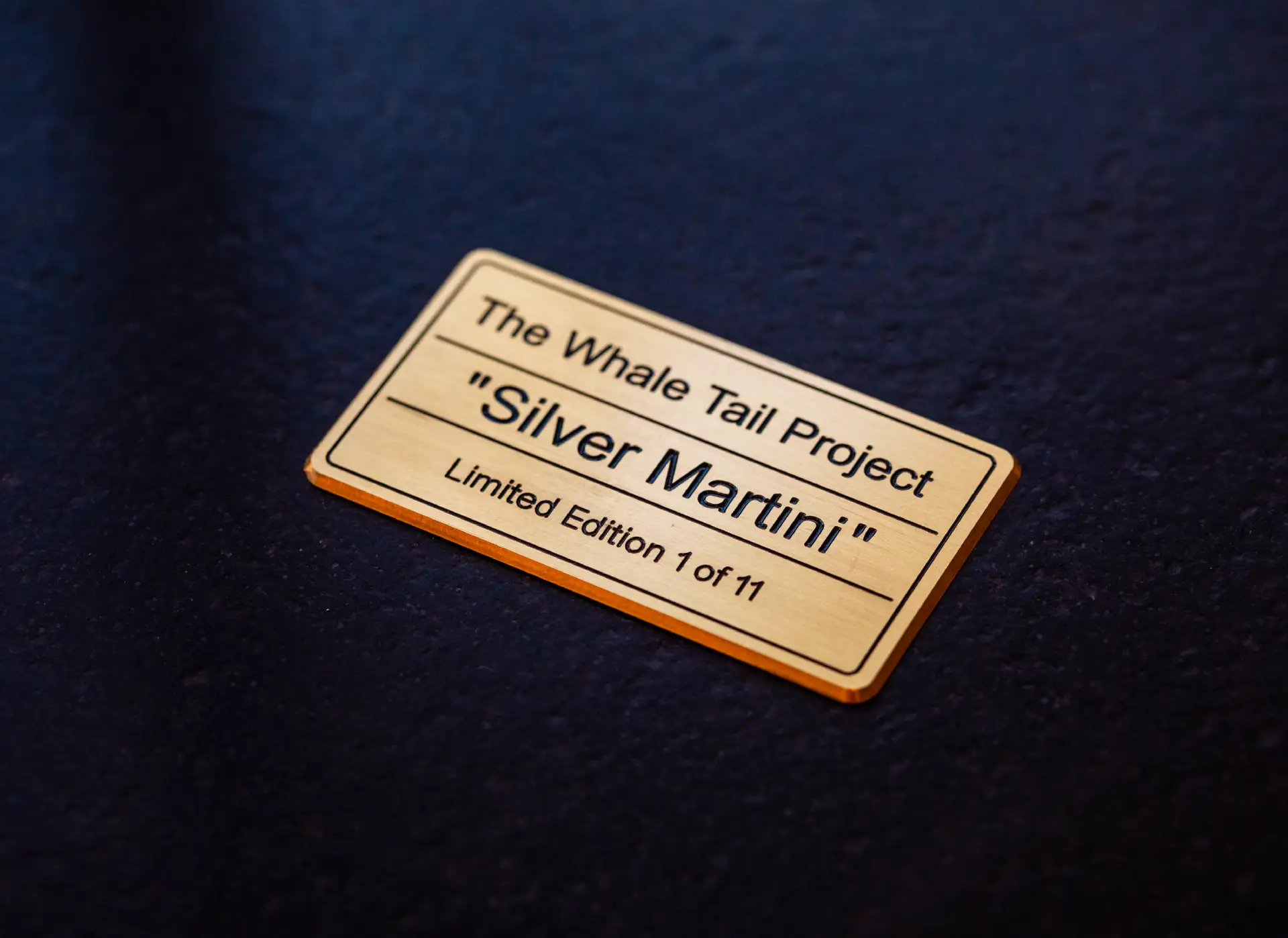
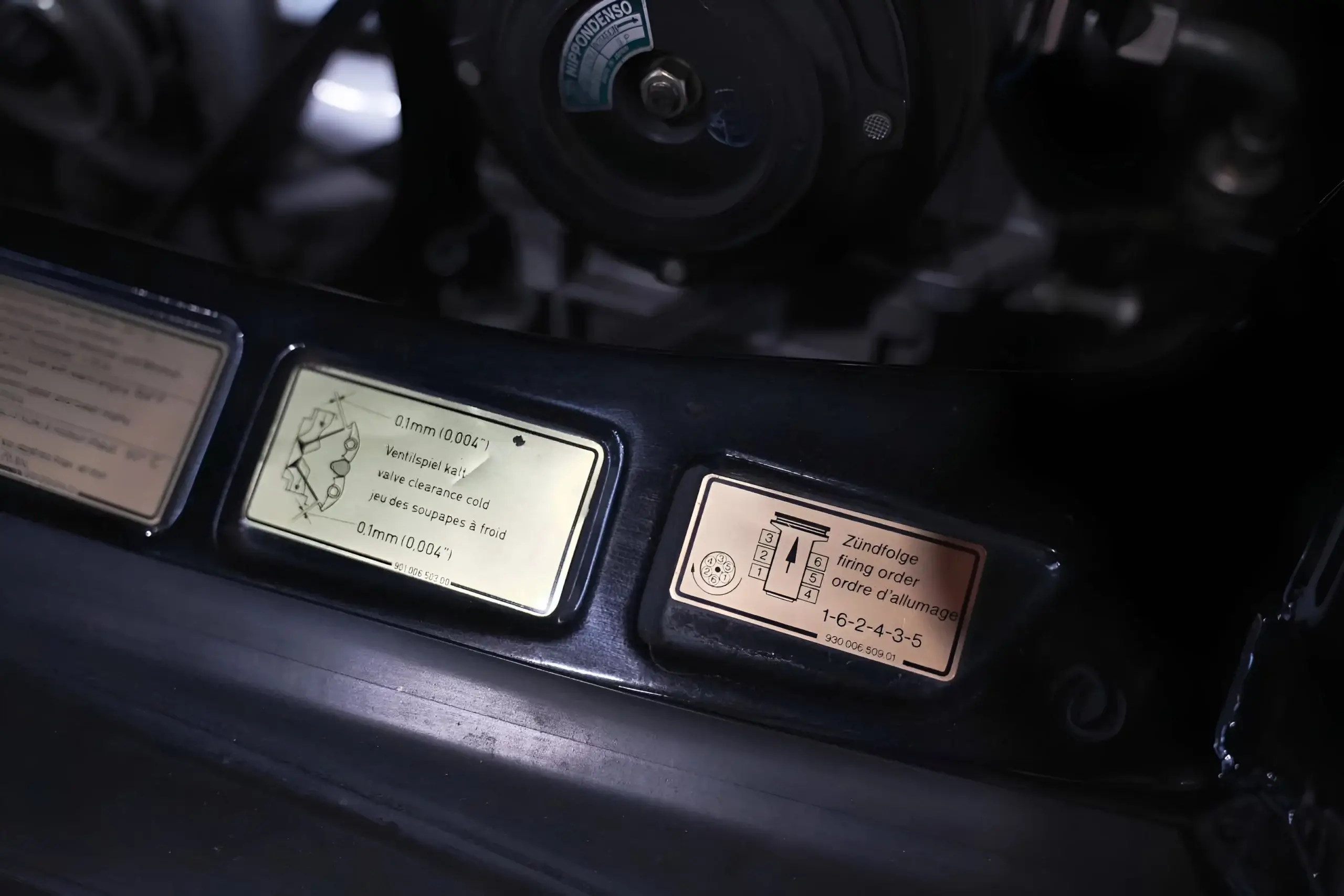
The design of the nameplates is based on the engine decals of Porsches classic cars. The engine bay decals often contain important information relating to the grade or types of fluid required, safety warnings, electrical information, firing order etc.
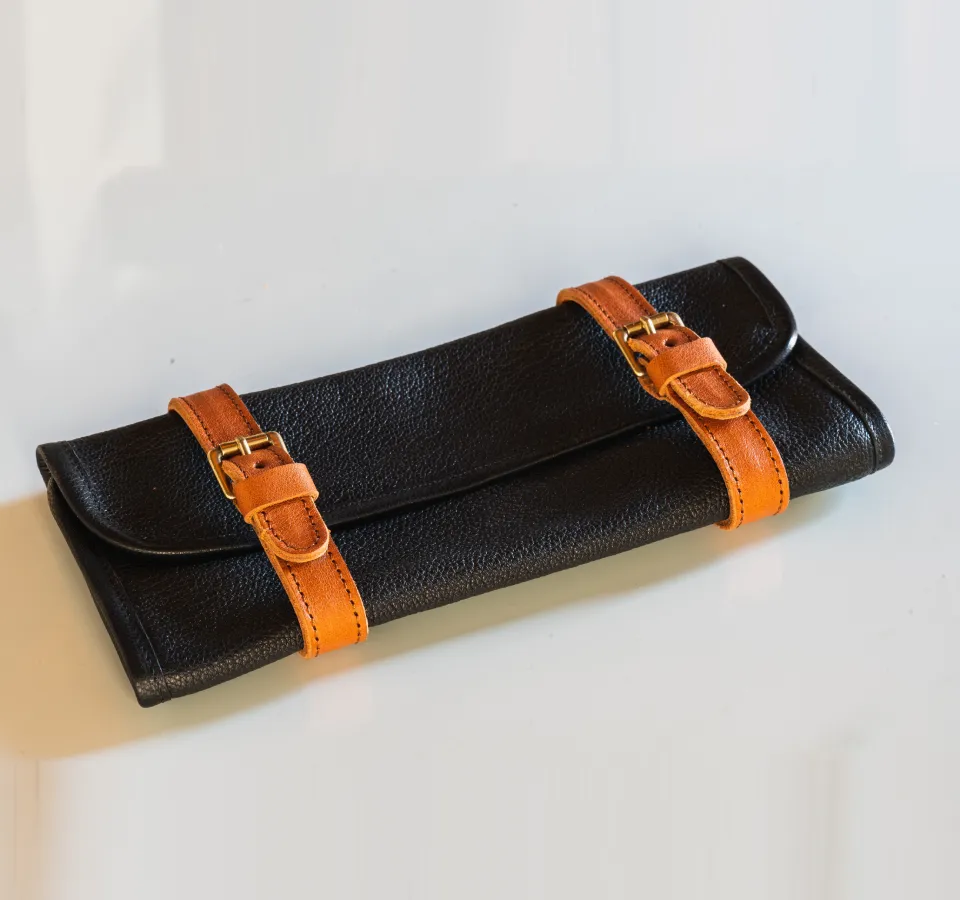
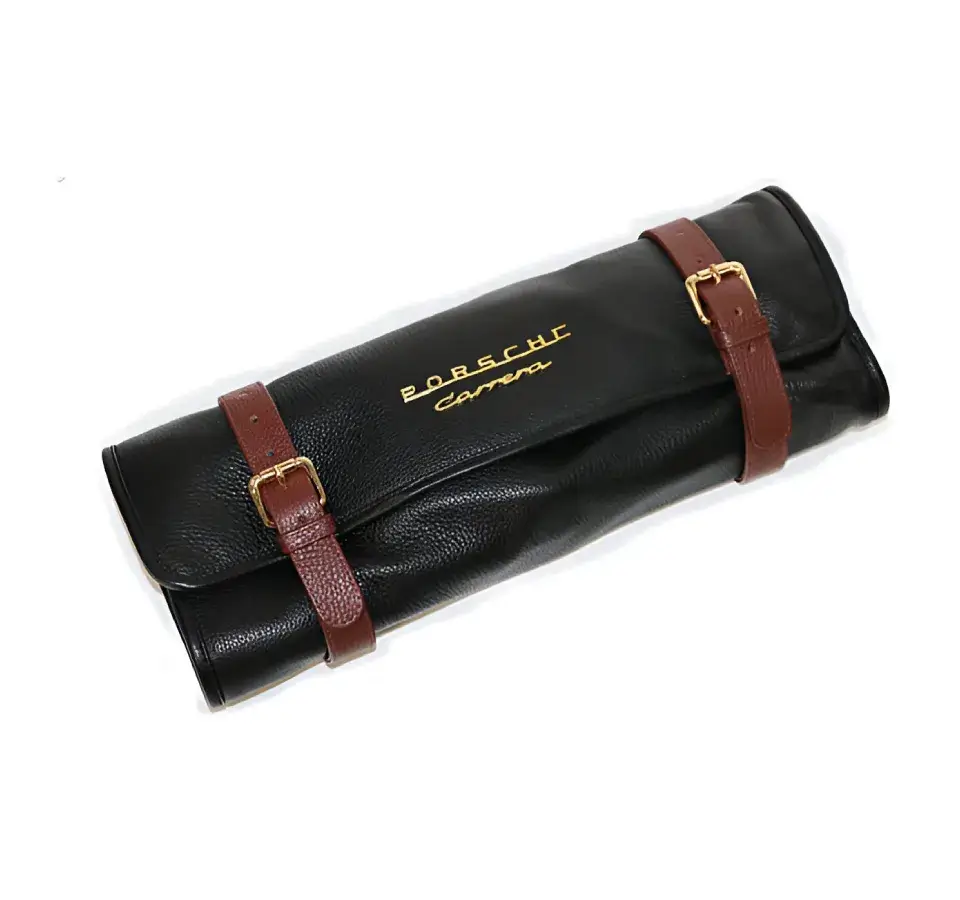
Each Whale Tail comes with a Certificate of Authenticity which is carefully stored in a handcrafted goat-leather pouch. The document bags are based on the design of the early Porsche’s tool bags.
Each Whale Tail comes with a physical Certificate of Authenticity and is additionally registered and certified at Verisart.com to provide a permanent and secure record of ownership. As in every detail of the artwork- An emotional bridge between past and present.